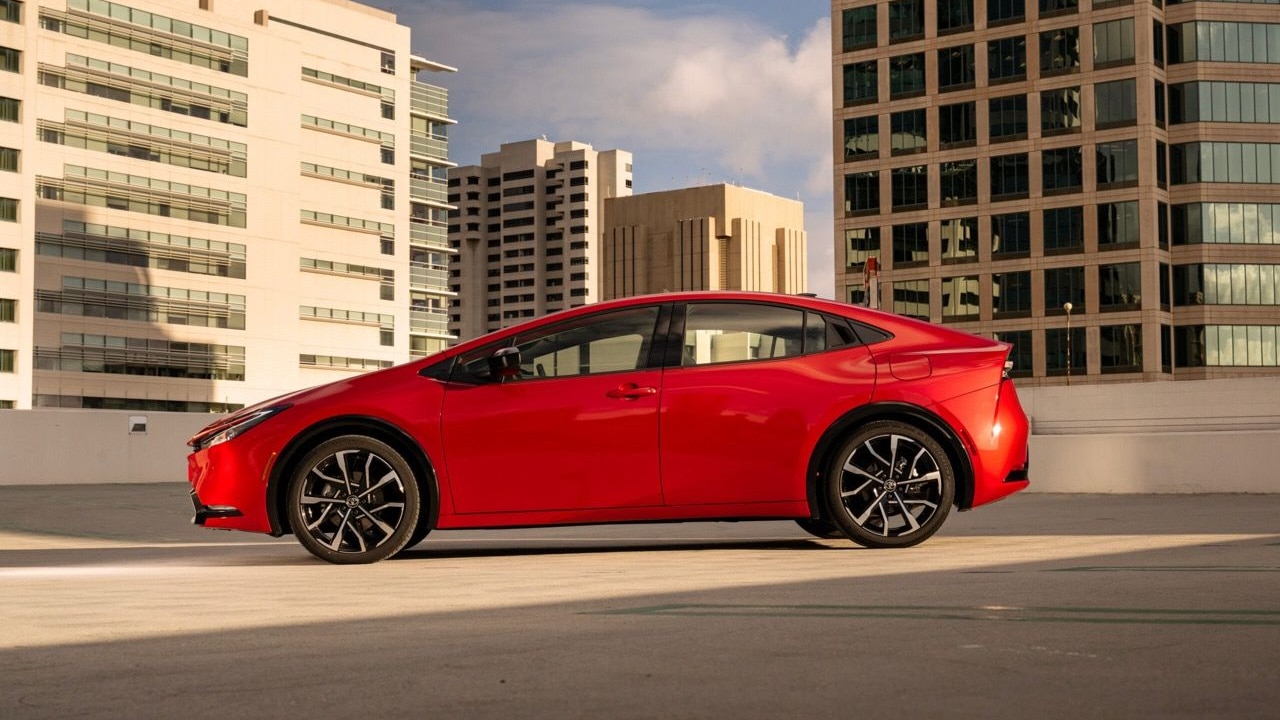
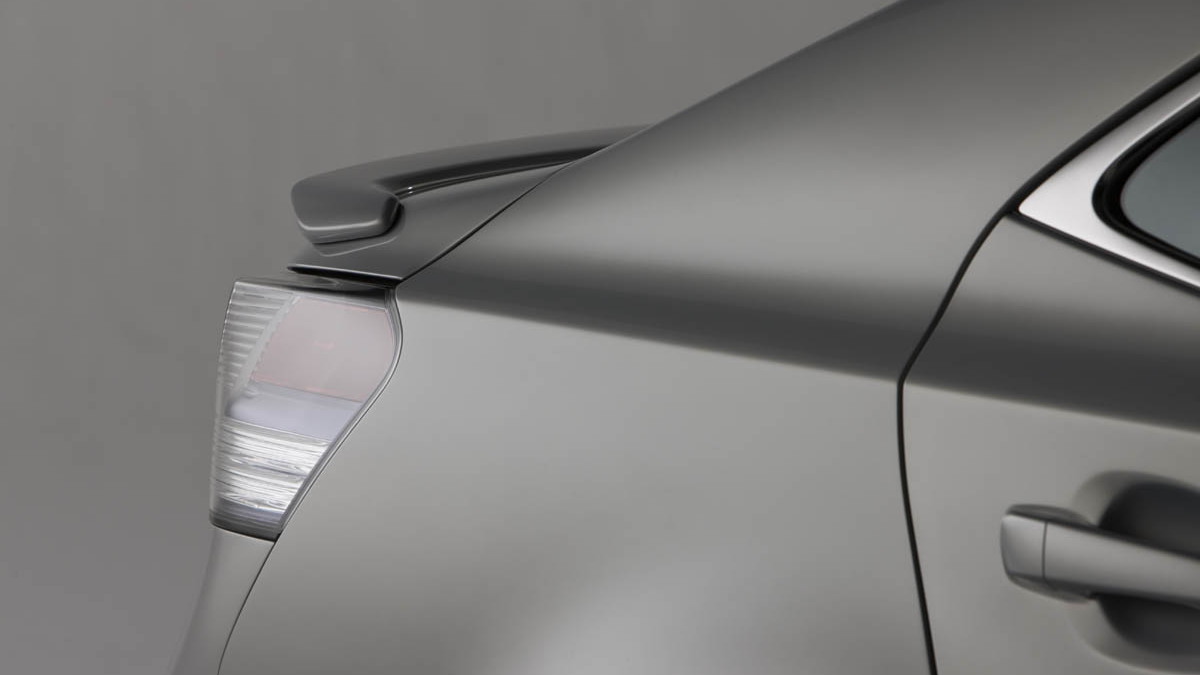
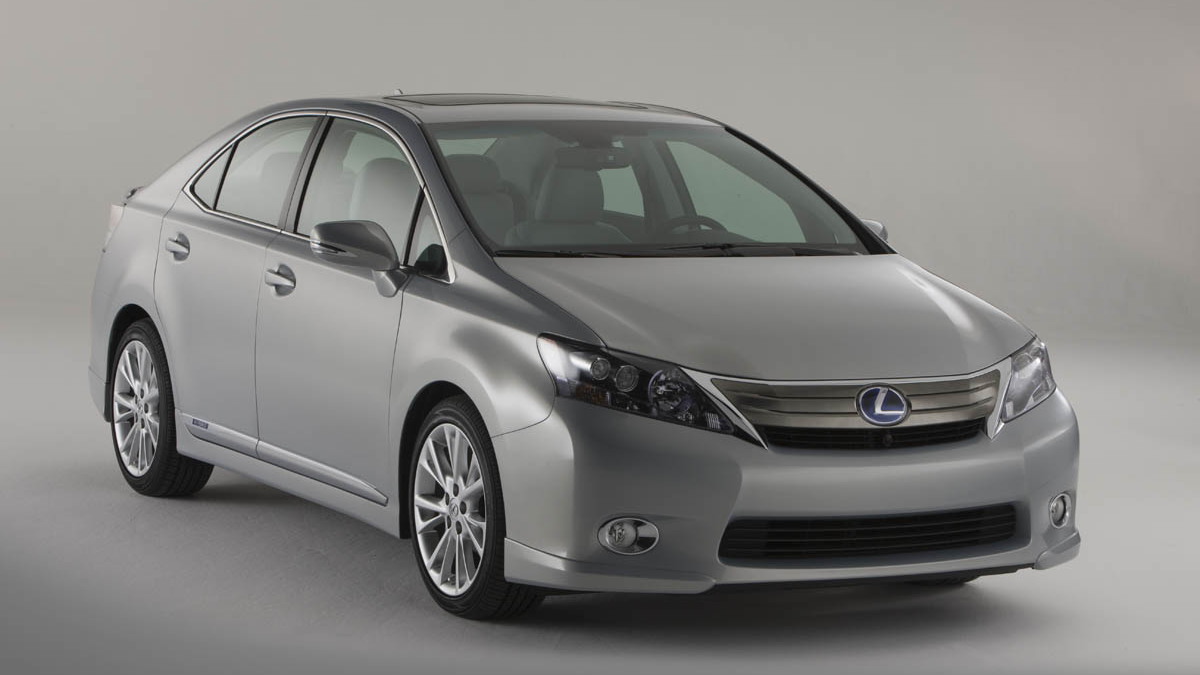
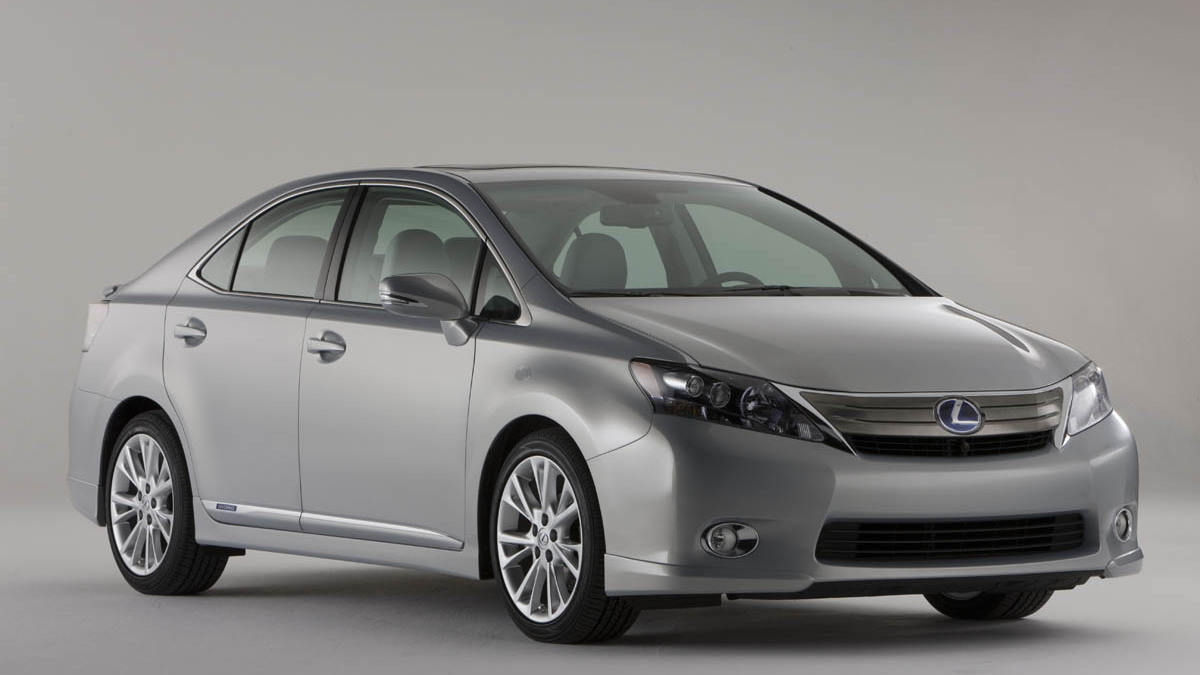
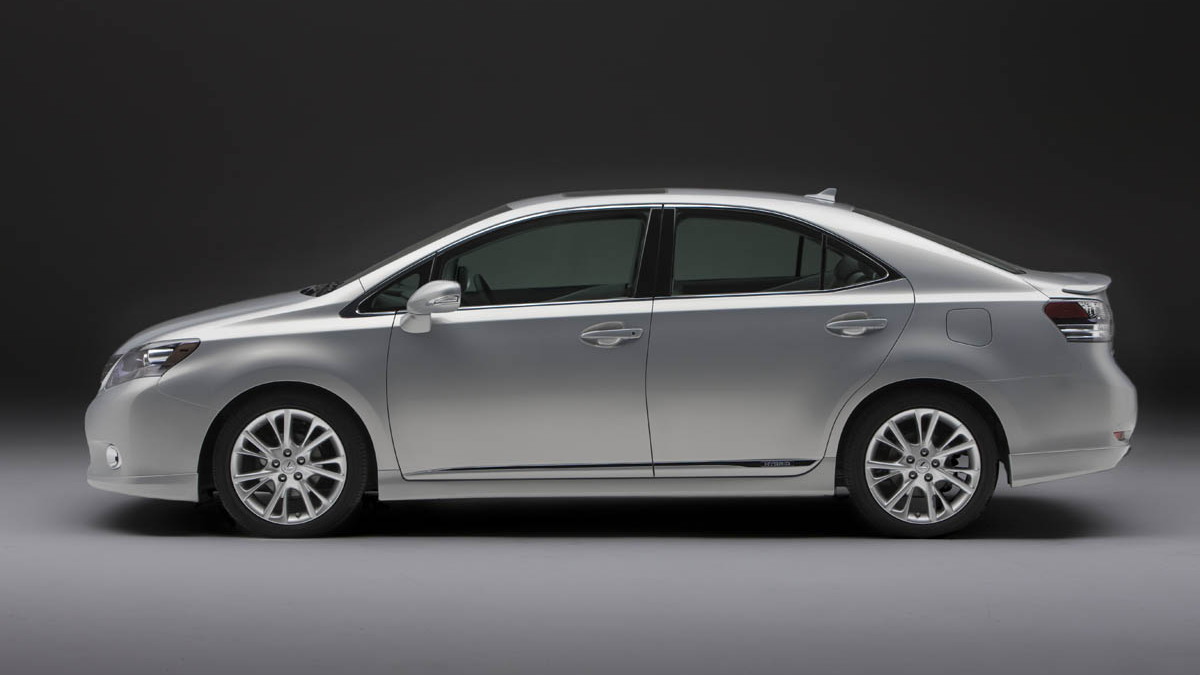
A quick glance through the Toyota and Lexus lineup reveals a few interesting similarities. Take the new 2010 Toyota Prius and the upcoming 2010 Lexus HS 250h, for example. Though they are targeted at very different segments of the market and don't really look much alike, they feature some of the same key elements, including the forward-mounted badges on the nose, creased corners, low grilles and the new Toyota/Lexus catch-phrase of the day: 'free form geometrics'.
This last idea, like the others, is centered around extracting the greatest efficiency from the design and packaging constraints of the automobile. Free form geometry is the marriage of organic and geometric shapes to bring out pleasing designs that are also highly efficient.
The Prius and HS both feature many of these design elements for the obvious reasons: they are dedicated hybrids. "Prius is a showcase. We can try many design cues here first," Toyota design chief Wahei Hirai told Automotive News. "This has to be symbolic."
Another unique feature that incorporates many of these themes is the flat area before and after the wheel wells, especially noticeable on the front end of the new Prius. This flat area smooths out airflow around the wheel, minimizing drag. All of this comes together on the Prius to yield a coefficient of drag of just 0.25 - the best in Toyota's range. The HS 250h manages a nearly-as-sleek 0.27cd.
With such rewards for smart exterior design, expect all of these elements to begin making appearances in other Toyota and Lexus designs as new cars, SUVs and crossovers roll out. Looking even further toward the future, Hirai envisions a day when all cars are grille-less.
Given the current cooling requirements of combustion-type engines, however, that day hasn't yet arrived. Even electric powertrains generate some heat, so cars may never be fully able to do away with some form of frontal air inlet.