By
Nelson Ireson
Nelson Ireson
Editor
BIO
Nelson is an Editor at High Gear Media focusing on reviewing cars and covering the hottest topics in luxury and performance cars, car culture, and...
More
LATEST ARTICLE
Volkswagen Golf R Cabrio Patent Photos Revealed
What to do if you love the Volkswagen Golf R, but just can't do without a drop-top car for summer?...
Read More
- #3LEADERBOARD RANK
- 5443ARTICLES CONTRIBUTED
- 205COMMENTS POSTED

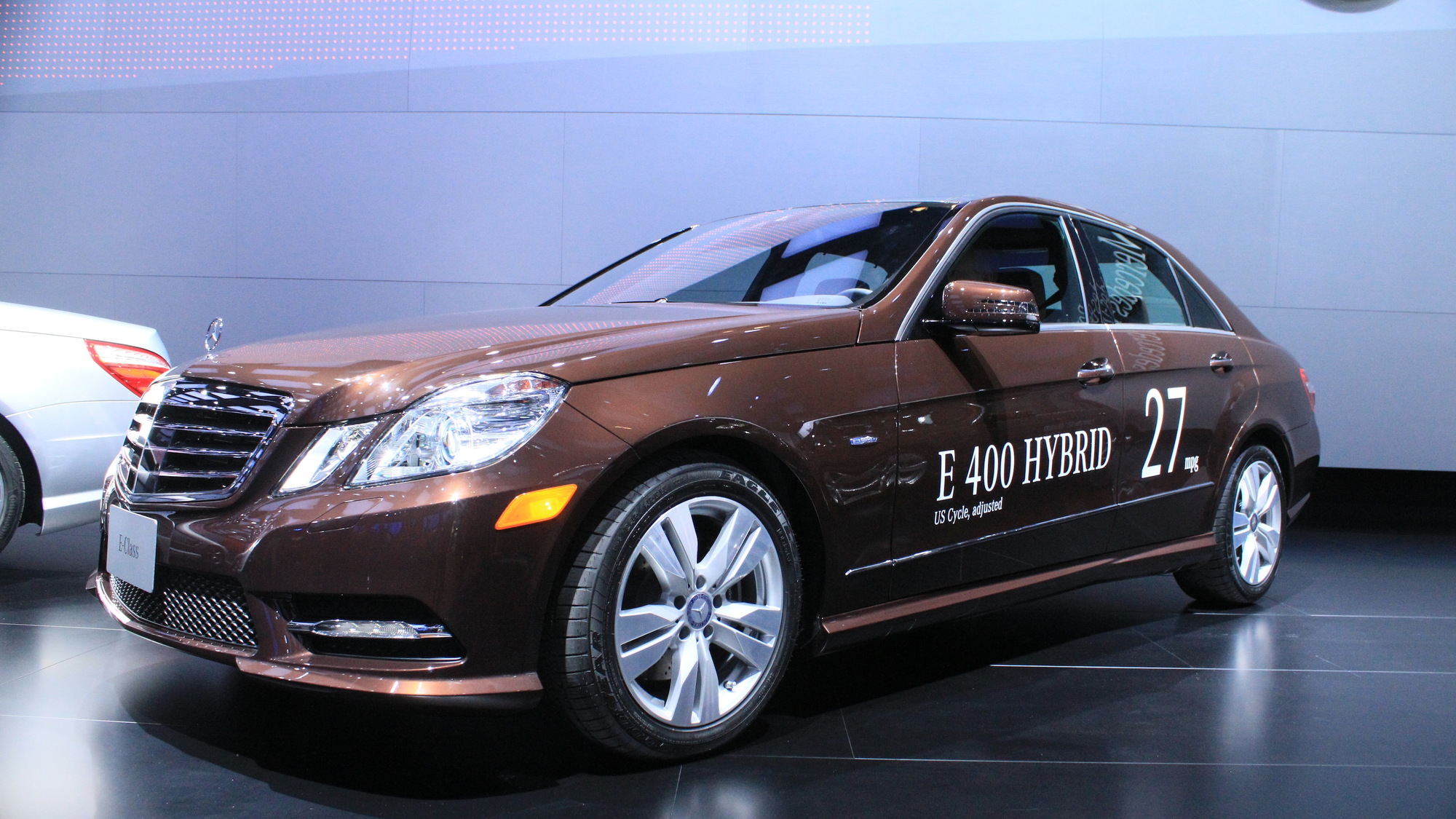
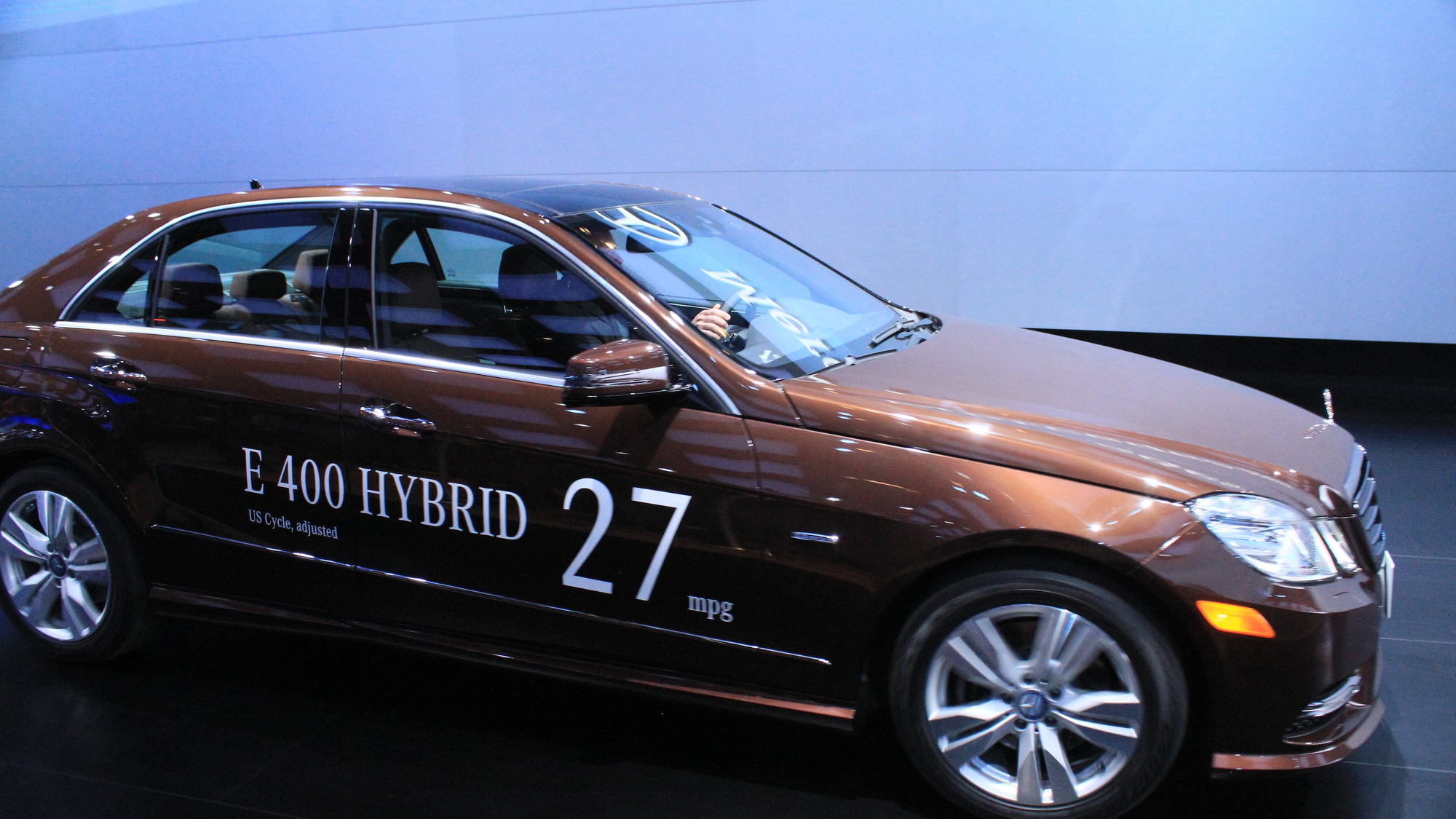
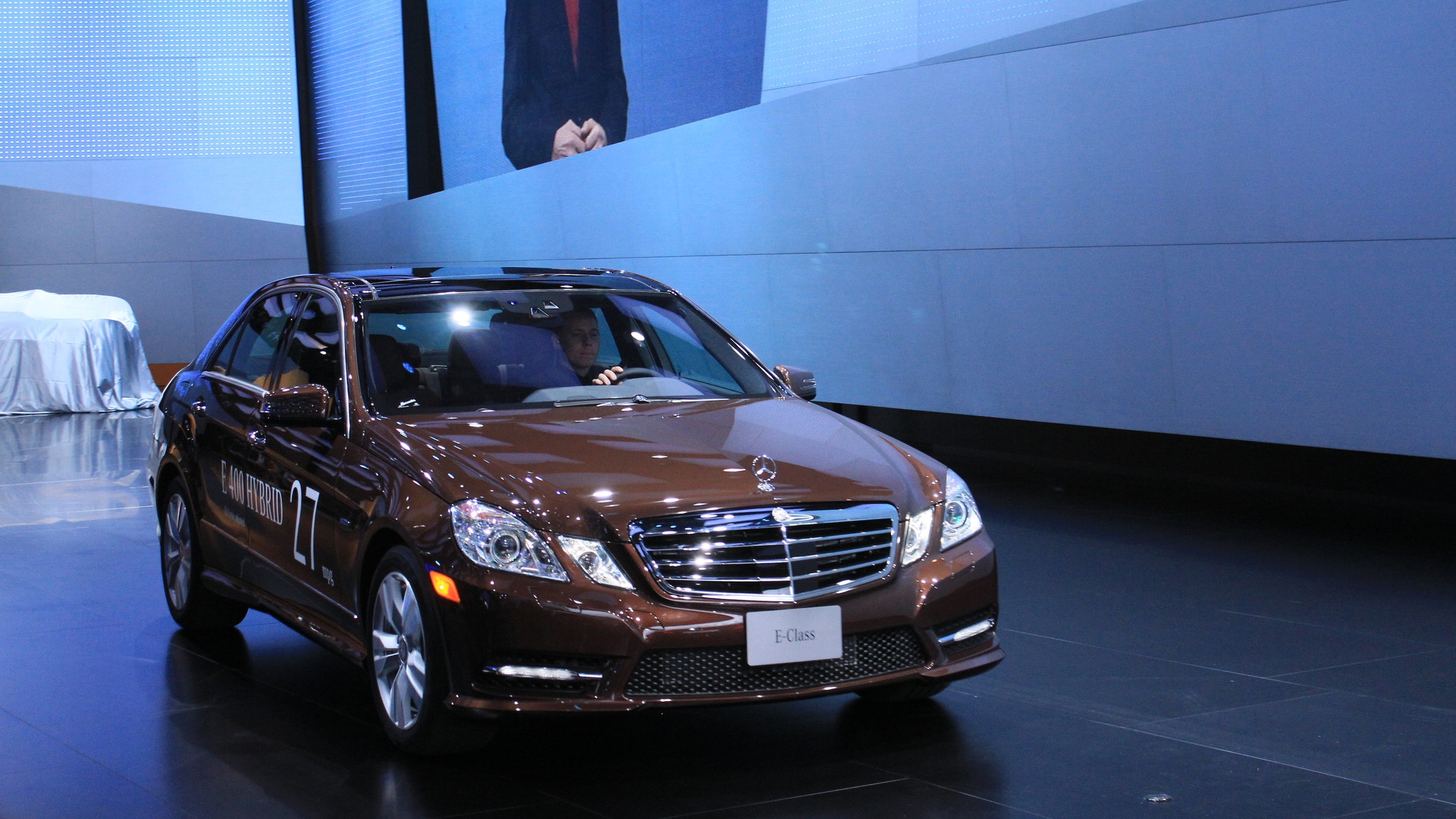
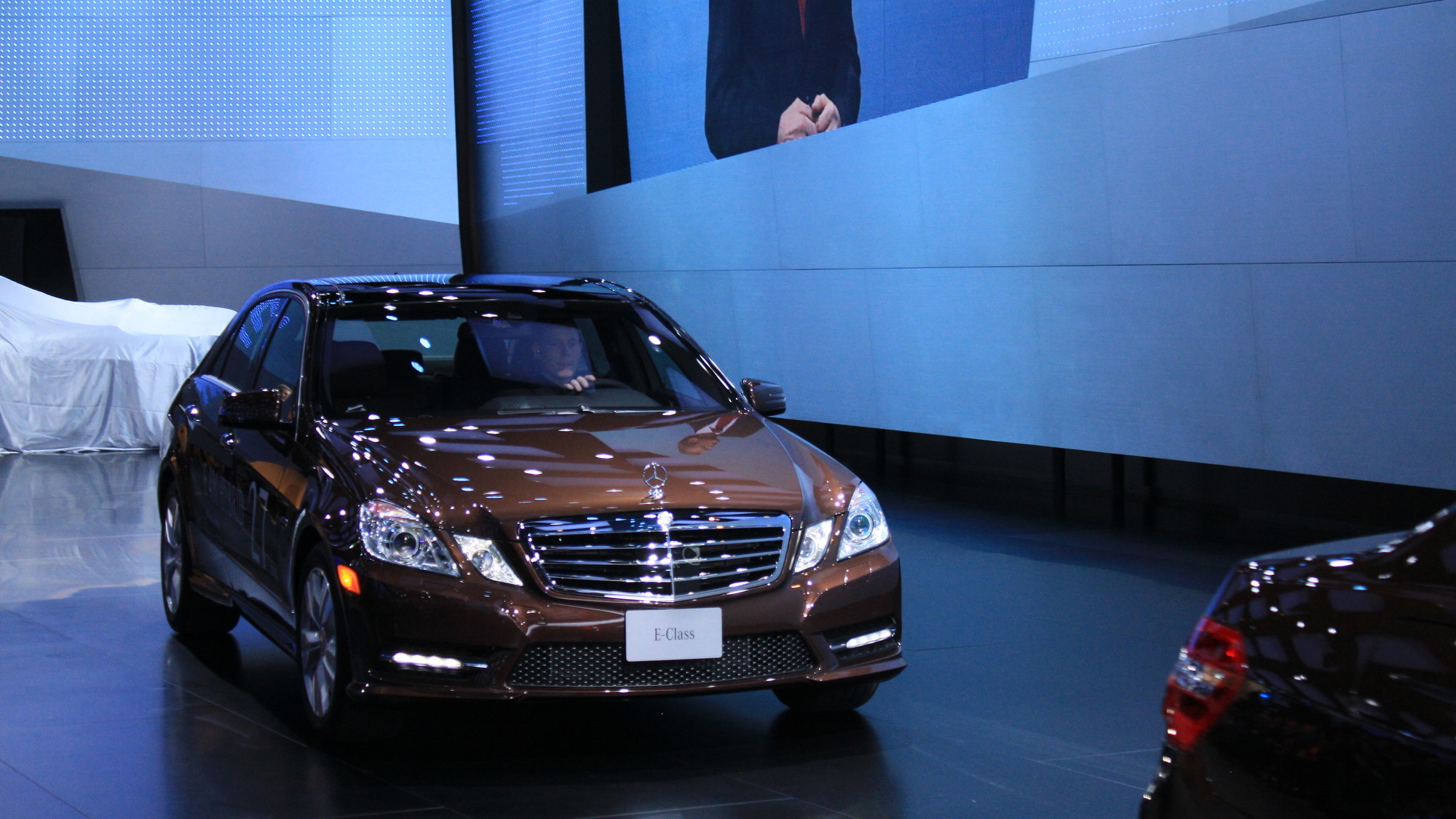
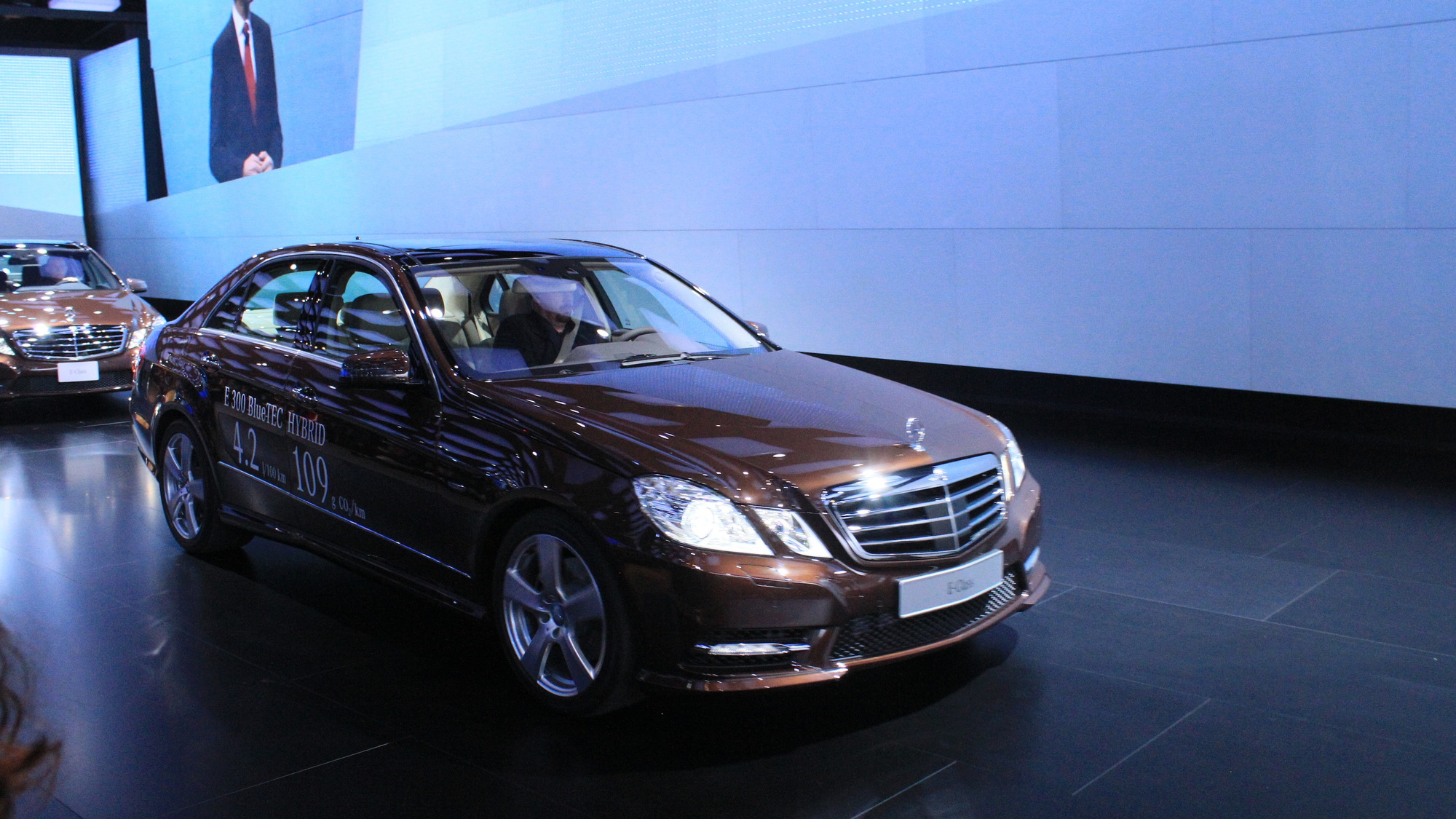
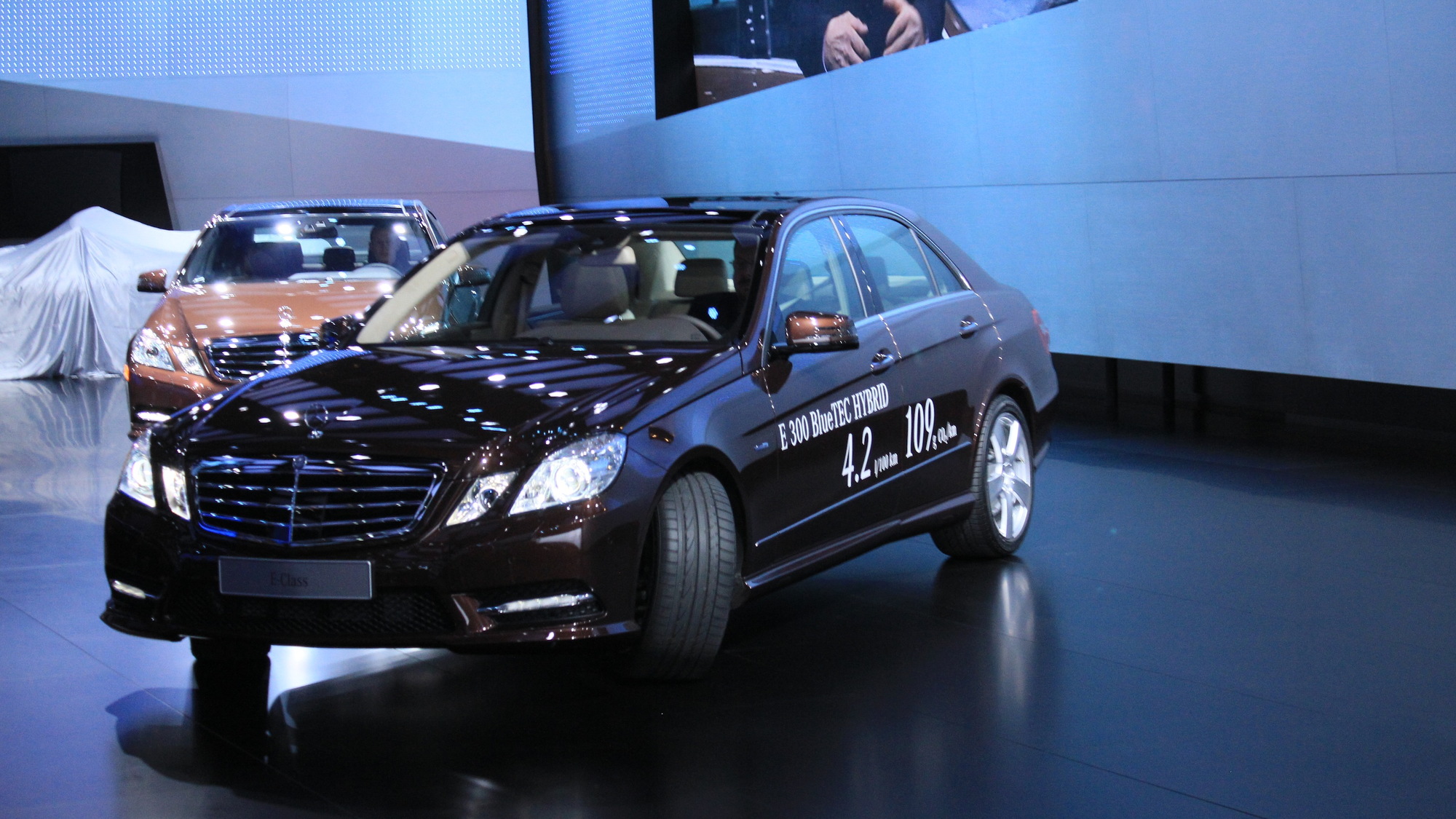
Mercedes-Benz E400 Hybrid and E300 Bluetec Hybrid live photos
The 2012 Detroit Auto Show is in full swing, sometimes literally, with musical acts gracing stages and the occasional appearance by, say, Jon Lovitz for the
Smart For Us pickup concept. But despite the hoopla, the cars are still the real stars. The two that just crossed
Mercedes-Benz's stage are of the
green sort, though they're painted brown.
Both of the new
hybrid E-Class sedans combine a 27-horsepower, 184 pound-feet of torque electric motor with a combustion engine to deliver what
Mercedes-Benz claims is the most efficient full-size sedan in the world--at least in the case of the 4.2-liter per 100 kilometer E300 Bluetec Hybrid. That translates to about 56 mpg U.S., though of course our test methods are different.
The E400 hybrid, which uses a 302-horsepower 3.5-liter V-6 gasoline engine, will go on sale in the U.S. in early summer. It gets an adjusted, "U.S.-style" 27 mpg, presumably combined, which indicates a highway fuel economy figure in the low-to-mid 30 mpg range, and a city rating around 23 mpg.
With both cars, the driving experience is still a priority as well as fuel economy, though we'll have to wait until we've been behind the wheel to be the judge of that.
Have an opinion?Join the conversation!
Most likely due to complexity and cost - TDI's are more costly than Gasoline powerplants, and Hybrids add another level of complexity. Add them together and the economics are difficult to justify in the mainstream - it only makes sense on such high-end machinery as Mercedes and Audi right now.
Have an opinion?Join the conversation!