Tesla itself is a small carmaker, with a shorter history and smaller model range than either Caterham or Ginetta. Both of these British specialty kit-car makers are working on their own electric prototypes, and this week, both have come to decisions on the future of those programs. Unfortunately for Ginetta, that means the indefinite hold of the G50 EV project.
British EVs Take One Step Forward, One Step Back
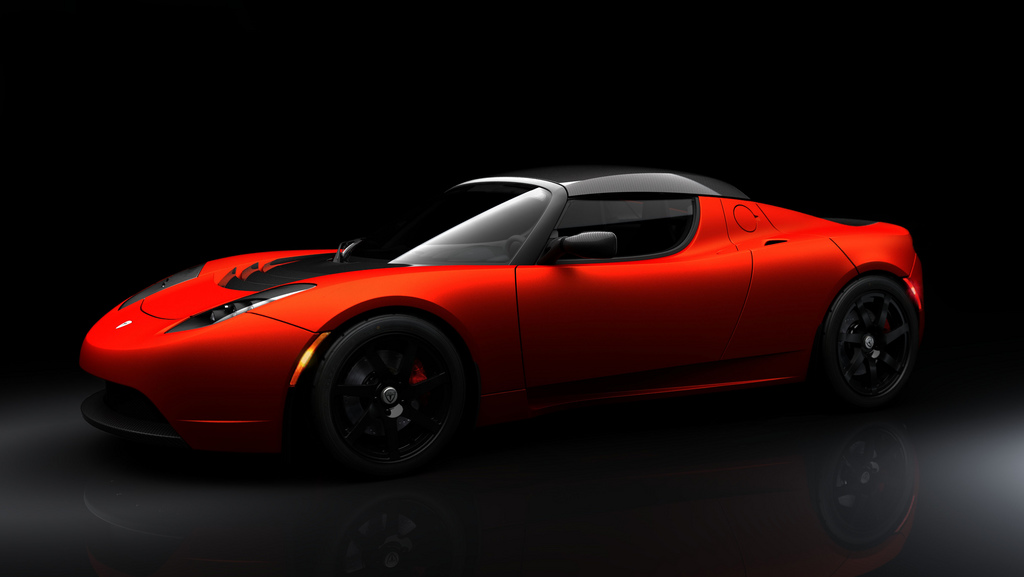
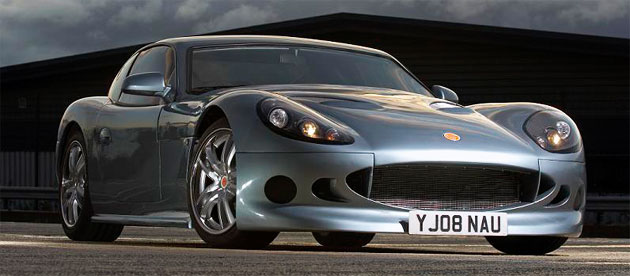
Ginetta's chairman said this week that his company won't be building the production version of the running prototype they have now. Not because it won't work, but because it's too expensive to develop to retail specifications on their own. With a range of up to 250 miles and top speed of 120 mph, the Ginetta G50 EV would have been about on par with the Tesla Roadster.
Caterham upgrades Superlight R300 with more powerful engine and improved chassis developments
Enlarge PhotoGermany To The Rescue?
With Tesla's recently launched Roadster Sport upping the performance edge of what is still the only commercially-available, highway-legal pure EV in North America and plans for the Model S Sedan in the works, any up-and-comers will have their work cut out for them. The early signs show Germany cutting a path toward the head of the class, though America's home-grown EV carmaker is still out in front.
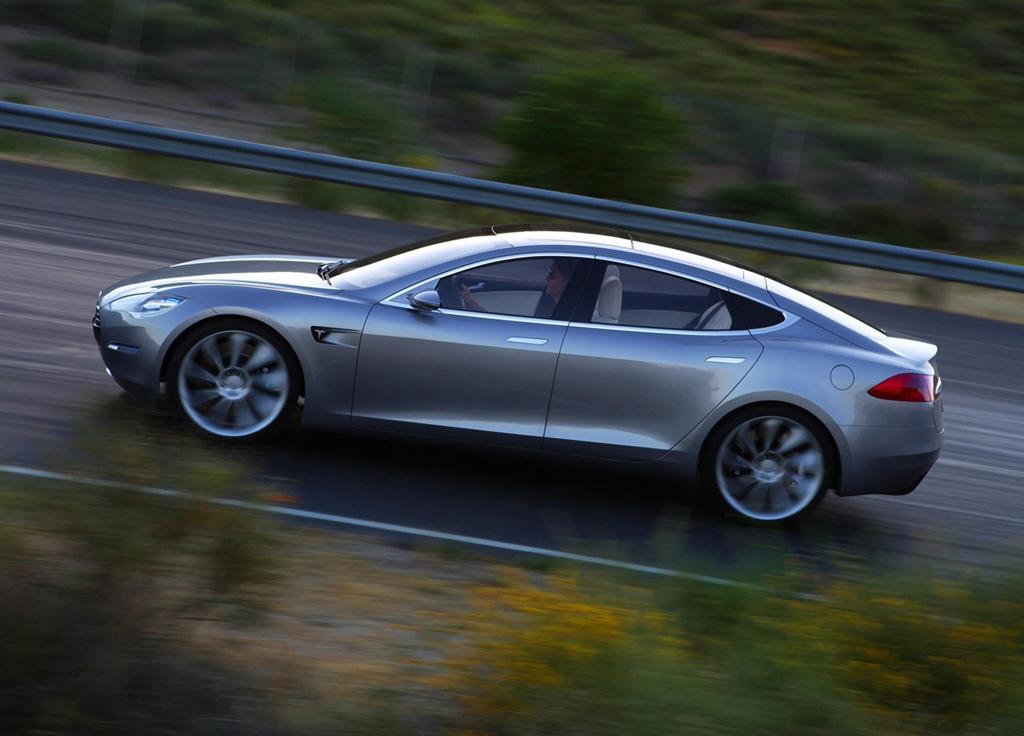
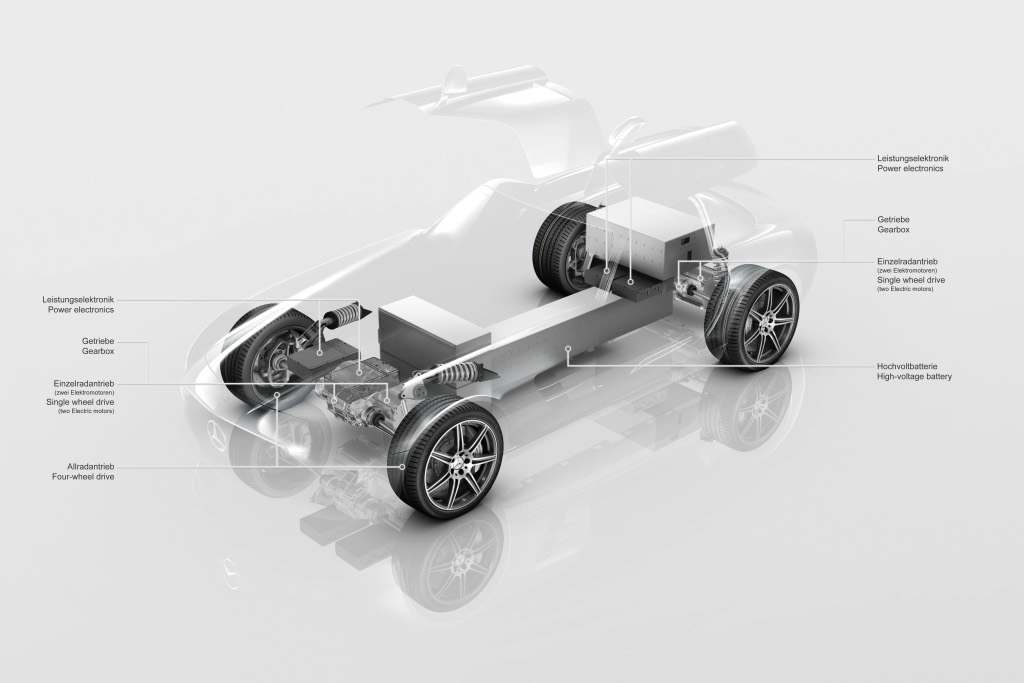
The Model S Sedan is promised for production in a California-based factory soon, now that Tesla has secured government funding to build the facility. Despite its rapid sub-six-second planned 0-60 mph time, up to 300-mile range, elegant styling and four-person capacity, the Model S is expected to start at just $49,900, and is eligible for a $7,500 tax credit in the U.S. The company is planning deliveries to start in 2011, though there's still much in the way of development to be done. On the flip side, major carmakers like Audi and Mercedes-Benz are targeting wealthy niche customers and small volumes for their first EVs, and they're at least two years away from realizing even that limited goal, giving Tesla almost four years alone in the market. The Audi e-tron, which design is dissected beautifully in this piece by Ryan O'Keefe, promises all-wheel drive, 0-62 mph in 5.9 seconds and a top speed of 124 mph. All of this is wrapped in a gorgeously sculpted aluminum and carbon fiber frame. Production isn't scheduled to start until 2012, however, indicating there's still a lot of work to do to make the e-tron, which will be based on the volume-sales, gasoline-powered standard R4, ready for prime time. Mercedes-Benz's SLS AMG Electric is also billed as an electric supercar, rather than a green people-mover. Even quicker than the Audi R4, Mercedes says the SLS AMG Electric will hit 62 mph in just 4.0 seconds, 0.2 seconds behind the pace of the V-8-powered 2011 SLS AMG supercar. Powered by a 400-volt, 48-kWh battery pack and four motors driving all four wheels, the SLS AMG promises to be one of the most hardcore performance EVs available--but it's not due for production until a year after the Audi, in 2013.You Gotta Pay To Play
The point of all this? It's still very early in the mass-produced EV game, and the reality of integrating the necessary cutting-edge technology into a sufficiently light and powerful package is prohibitively expensive. As those who've dabbled in motorsports know all too well: you can have fast, you can have cheap, and you can have reliable, but you can only pick two.

Have an opinion?Join the conversation!
Is it just me, or does the Tesla model-S look a lot like the Jaguar XF?
Have an opinion?Join the conversation!