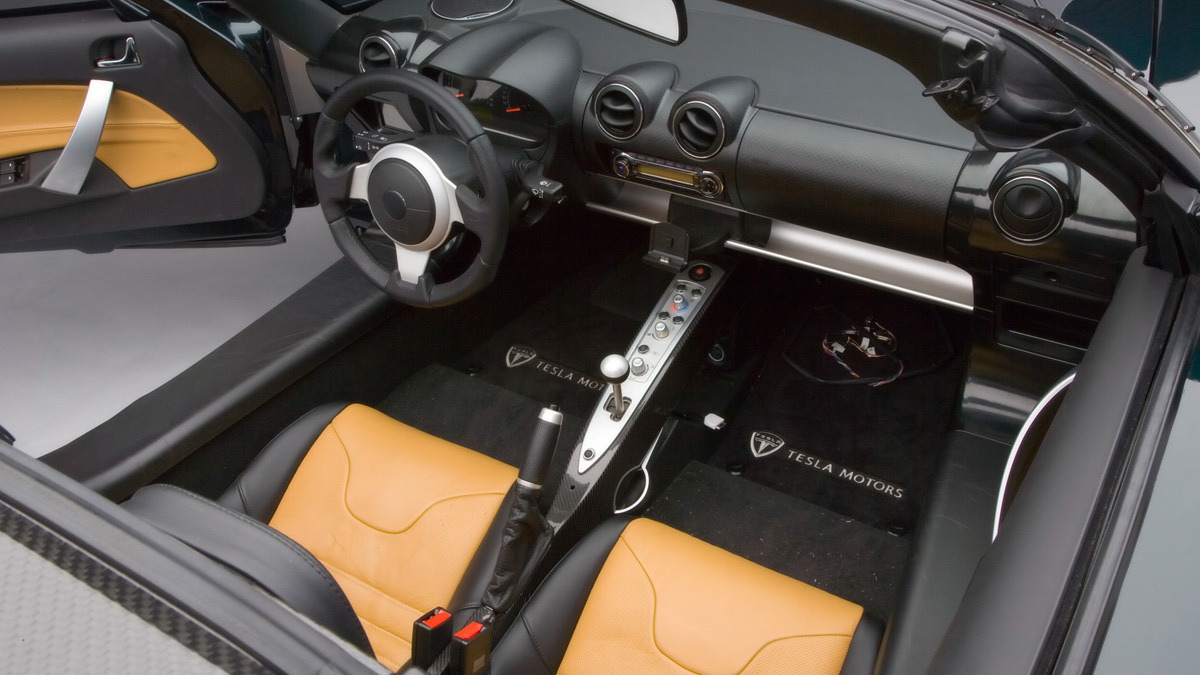
2008 tesla roadster motorauthority 001

The car's materials costs had previously exceeded its list price by tens of thousands of dollars
Enlarge PhotoOne of the biggest criticisms of electric vehicles is the limited driving range they offer when compared with conventional
diesel and petrol powered cars. However, the belief that driving an electric vehicle will leave you stranded after a couple dozen miles is starting to lose credibility, fast.
Take the all-electric
Tesla Roadster for example. The car managed to travel 241 miles on a single charge during an 'Alternative Energies' rally in Monte Carlo, giving it the honor of being the only electric vehicle to finish the event without having to top up its batteries.
The Rallye Monte Carlo d'Energies Alternatives, an annual event that sees a slew of around 80 vehicles using LPG, E85,
hybrid and electric power take each other on, was the setting for the impressive run. A number of other electric vehicles also took place, including some
Mitsubishi i-MiEVs and a
Ruf-modified Porsche 911 EV, but in the end the
Tesla managed to stick out the entire race without having to stop.
The race began on Saturday morning, a little after 7AM, at which point the
Tesla's battery gauge was showing it had enough juice to go 246 miles - barely enough to complete the race. The race rules require drivers to maintain an average speed of between 28 and 31mph across the entire stage - which means the drivers had to avoid heavy acceleration and keep a steady speed. Winning the race for Tesla was paramount, so much so that the Tesla crew even skipped having a lunch stop and reportedly conducted toilet breaks with Formula 1 efficiency.
In the end, the car managed to make it to the finish line with juice to spare - around 38 miles worth in fact. This means that the Tesla had a theoretical range of around 280 miles - far greater than the company's own estimates of 220 miles. While the event was more of a hypermiling marathon than a race, Tesla claims that driven hard, the Roadster would still be able to travel around 120 miles before its battery was totally discharged.
Via:
LeBlogAutoTesla Roadster
Have an opinion?Join the conversation!
With a new battery technology (such a Boron-Air) with the energy density of gasoline, perhaps amazing things can be accomplished soon...
see you end up with a couple problems here: batteries are heavy because most rechargeable batteries are wet and metallic. and they dont store nearly as much energy as gasoline. plus they're inefficient at rapid charge and discharge (because they heat up, that heat is wasted energy). new chemistries could take care of that, but highly doubtful.
capacitors on the other hand are nearly 100% efficient (so long as you dont hit them with a higher voltage than theyre rated for, they will never damage, have millions of charge cycles, and can charge and discharge with huge amounts of power without ever heating) but the problem with them is they carry even less energy than the batteries do. but to give you an idea, I'm holding in my hand right now a capacitor that is the size of a pop can, weighs 1 lbs, and holds a little over 17 hp. a 17 hp pop can. but it can only do that 17hp for half a minute and its done.
where does the future go? who wants to place bets?
Although if they do work I'm going to invest in a body shop! Why? Becasuse there is going to be a boat load of scratched and damaged paint from folks who pull out of their drive way in the morning without unplugging their car..
Ahh, would require a lot of infrastructure though. Someday...
By buy dsi r4 Posted: 1/20/2010 2:28am PST
Have an opinion?Join the conversation!