
Earlier this month Nissan unveiled its GT 2012 plan, which commits the maker to introduce a pure electric vehicle (EV) in the U.S. and Japan by 2010. To do so, it will need high-quality, durable and safe batteries. NEC and its subsidiary NEC TOKIN, have vast experience in the development of such batteries, and the joint venture, AESC, the Automotive Energy Supply Corporation, will bring NEC's expertise together with Nissan's automotive goals to yield the basis for the upcoming EV.
Corporate partner Renault, in cooperation with Project Better Place, which has trial programs starting in Israel and Denmark in 2011 and 2012, is also expected to use the batteries from the joint venture.
Initial production of the lithium-ion battery units will be 13,000 per year, with production rising to a maximum capacity of 65,000 per year within three years. AESC will invest $114.6 million in a new manufacturing facility inside Nissan's Zama plant in Kanagawa Prefecture. The facility is planned to be operational by 2009.
Kanagawa Prefecture is also the site for a Nissan-sponsored EV project. The project, due to start in 2010, will study the feasibility of a full-scale EV project within the prefecture. The hope is to have 3,000 EVs on the roads in Kanagawa by 2014. Developing the infrastructure and sustainability of an EV-based economy is the primary goal of the project, to be used as a model for further deployment of EVs around the globe - something along the lines of Project Better Place's vision.
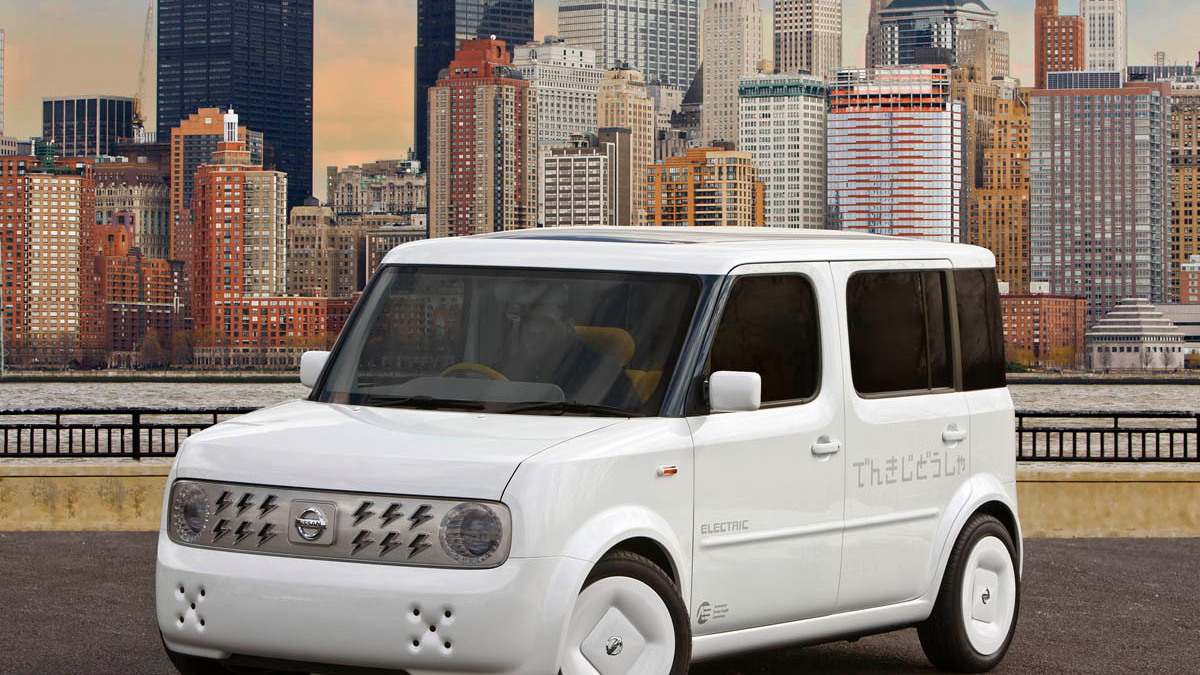
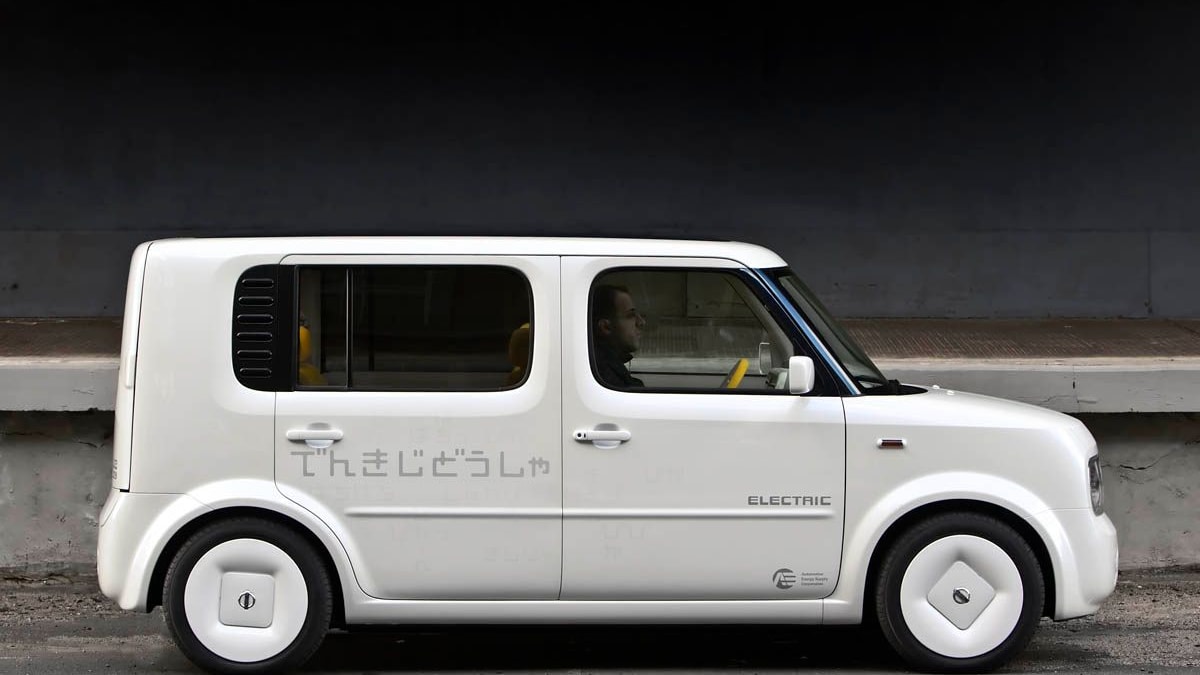
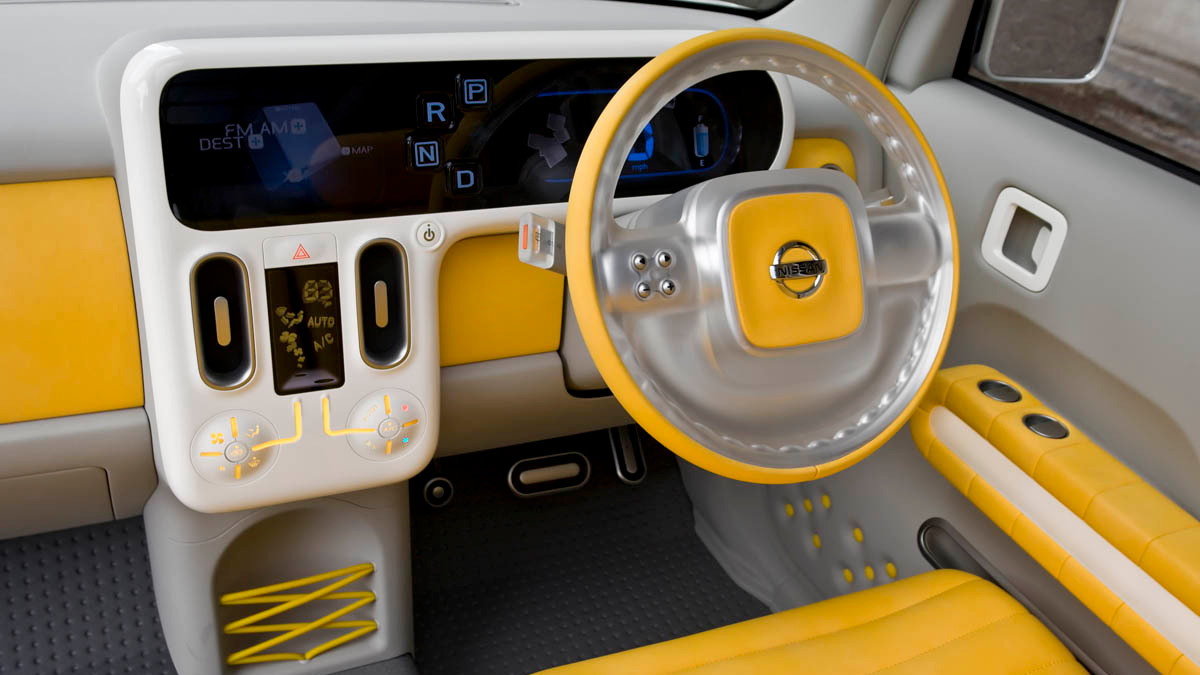
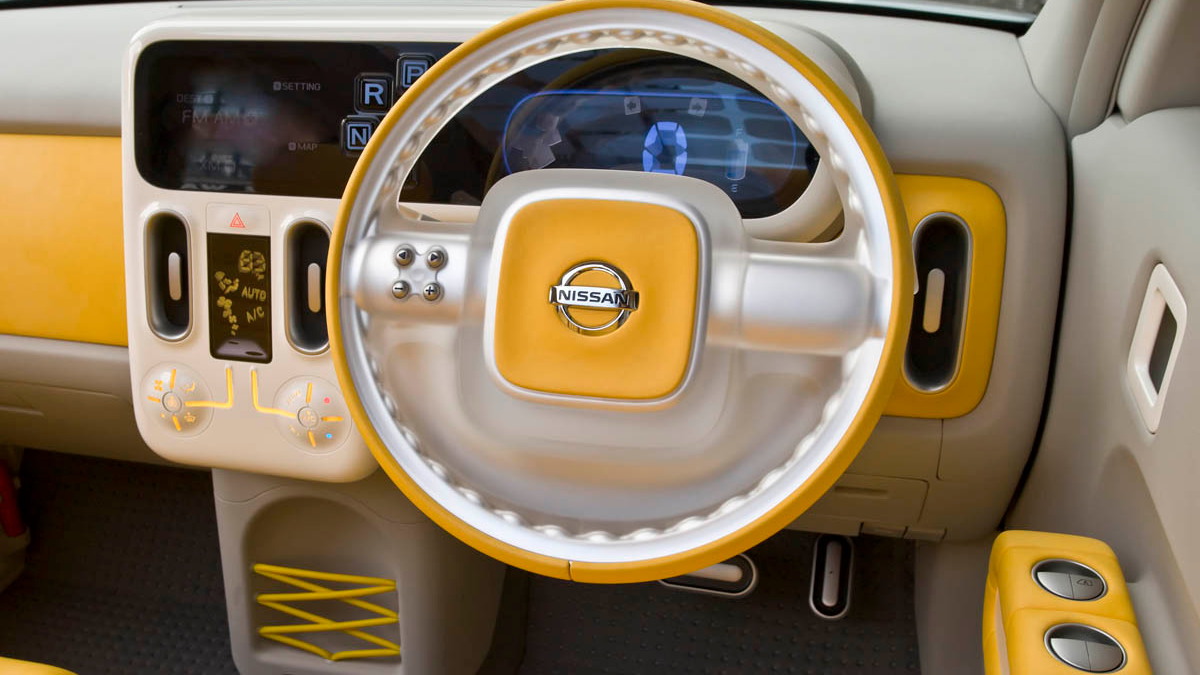
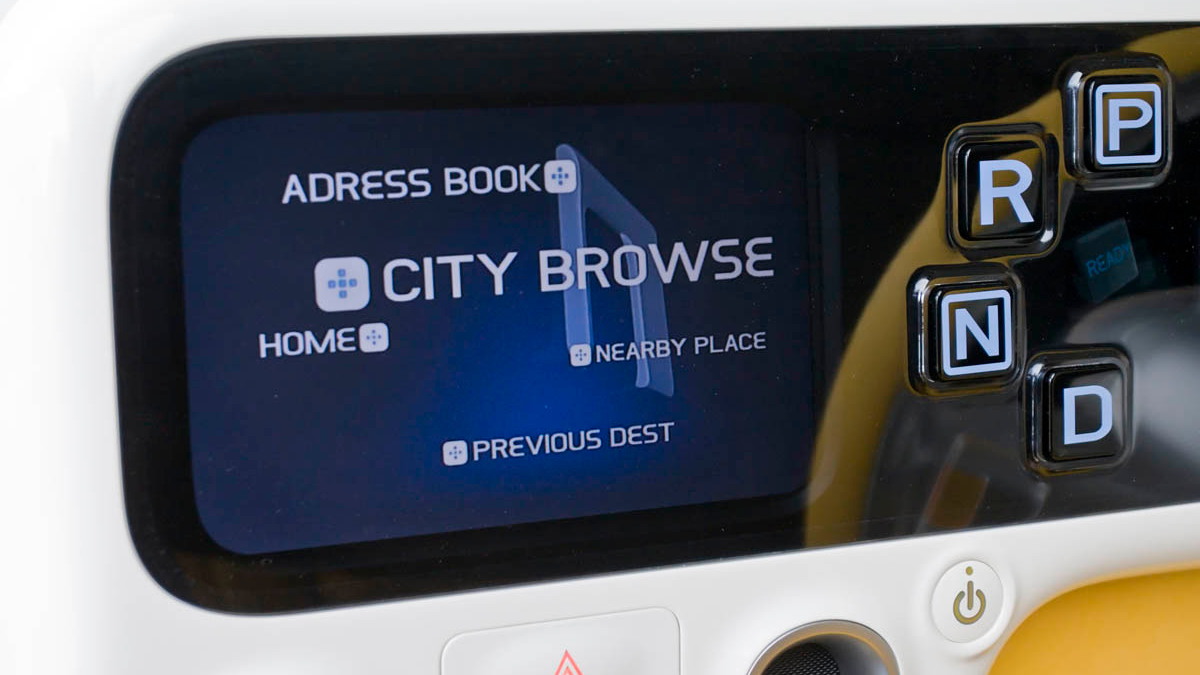
The AESC brand is nothing new to the eagle-eyed, for it was emblazoned plainly across the front door of the Denki Cube concept shown in New York this year. Though the concept was a lithium-ion powered all-electric design, the Cube itself is more of a preview of Nissan's future North American small car strategy and a tool to push awareness of its efforts in the EV arena.
For more on the Denki and Nissan's plans for its EV program, read our previous coverage.