
Volvo has some ambitious plans for the future. In addition to the market launch of a plug-in hybrid in 2012, work is currently under way on evaluating the viability of an entirely electric-powered car.
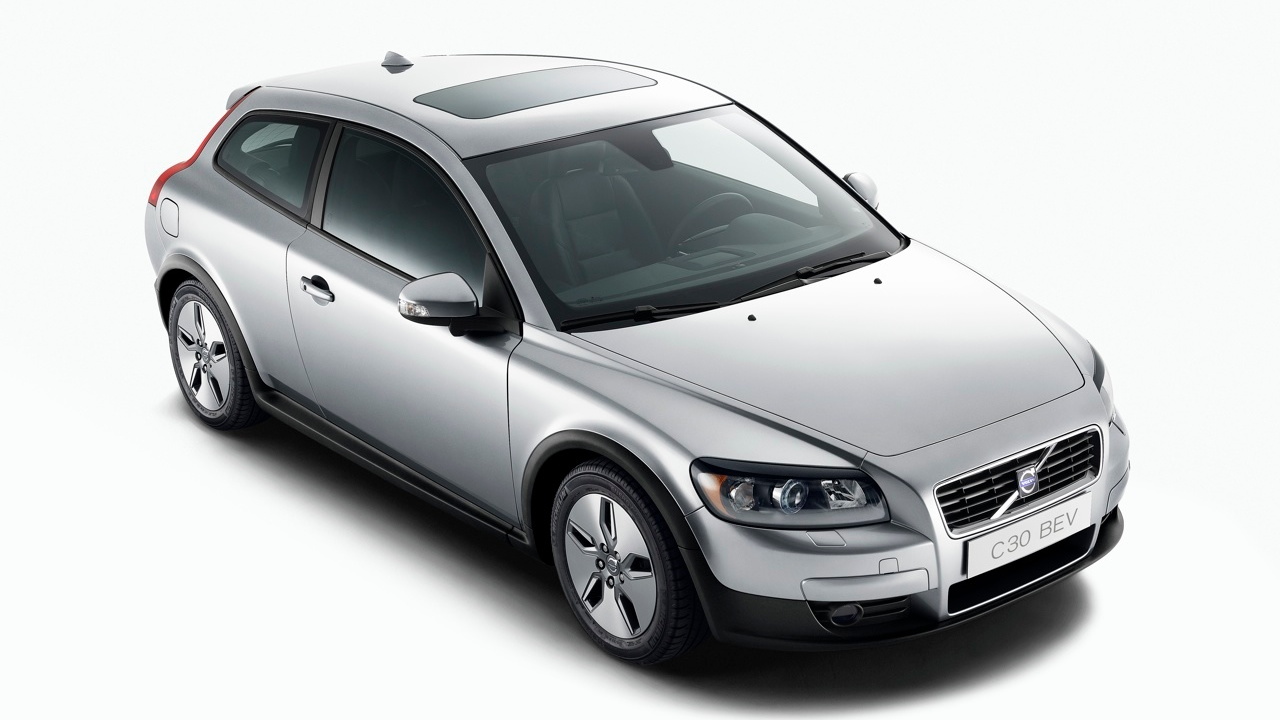
At next month’s 2010 Detroit Auto Show, Volvo will present this car, the battery-powered all-electric C30 that we first read about back in September.
However, the C30 soon to be shown in Detroit actually takes the company one step further in the development process. It features both a complete interior and full instrumentation, as well as enhanced battery packaging.
The next step in 2010 is a factory-built series of test cars. Selected users will drive the test fleet during a two-year trial period in order to provide Volvo with valuable experience. Not just technical but also behavioural.
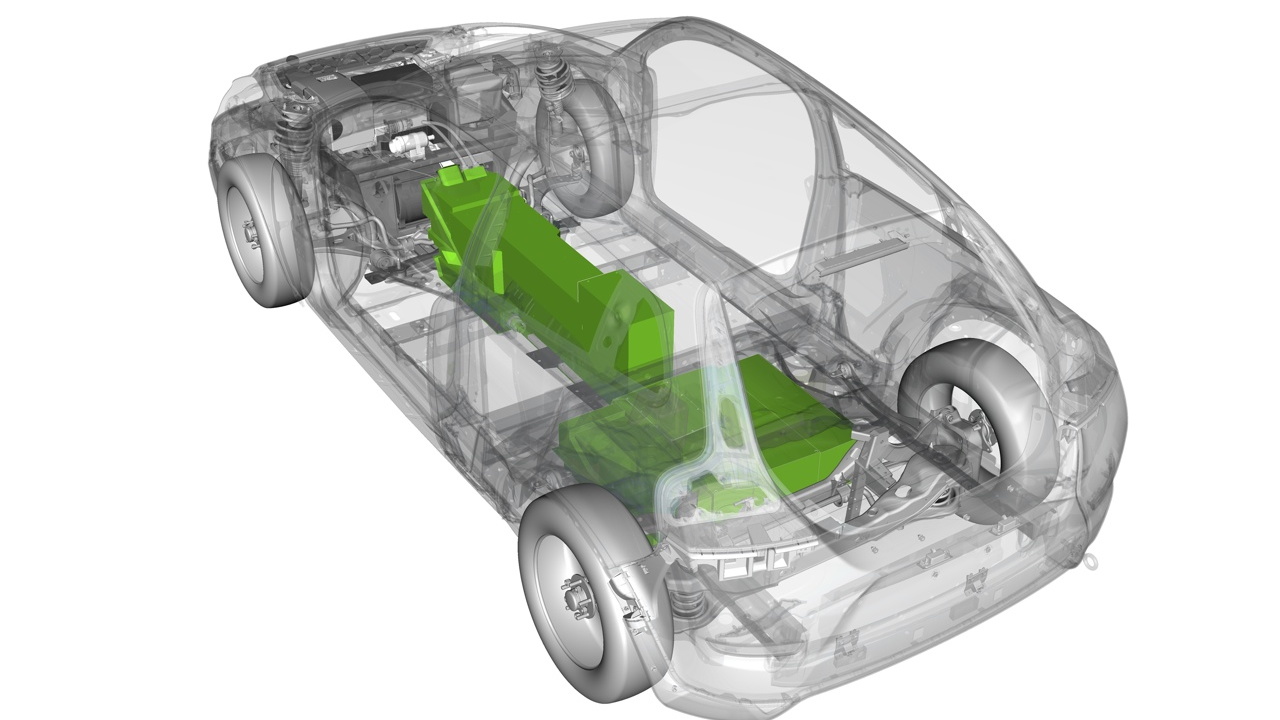
The electric C30 is like any other regular C30, however, driving the front wheels is an electric motor housed under the bonnet, just like the engine in a conventional car. One of the priorities within the project was to find the optimal placing of the battery. Volvo engineers found that the prop shaft tunnel and the place where the fuel tank normally is located were the best places. These locations are within the car's optimised crumple zone in the most common collision scenarios. Since the car runs solely on electricity, it requires a larger battery with higher capacity (24 kWh) than in the case of the plug-in hybrid (12 kWh).
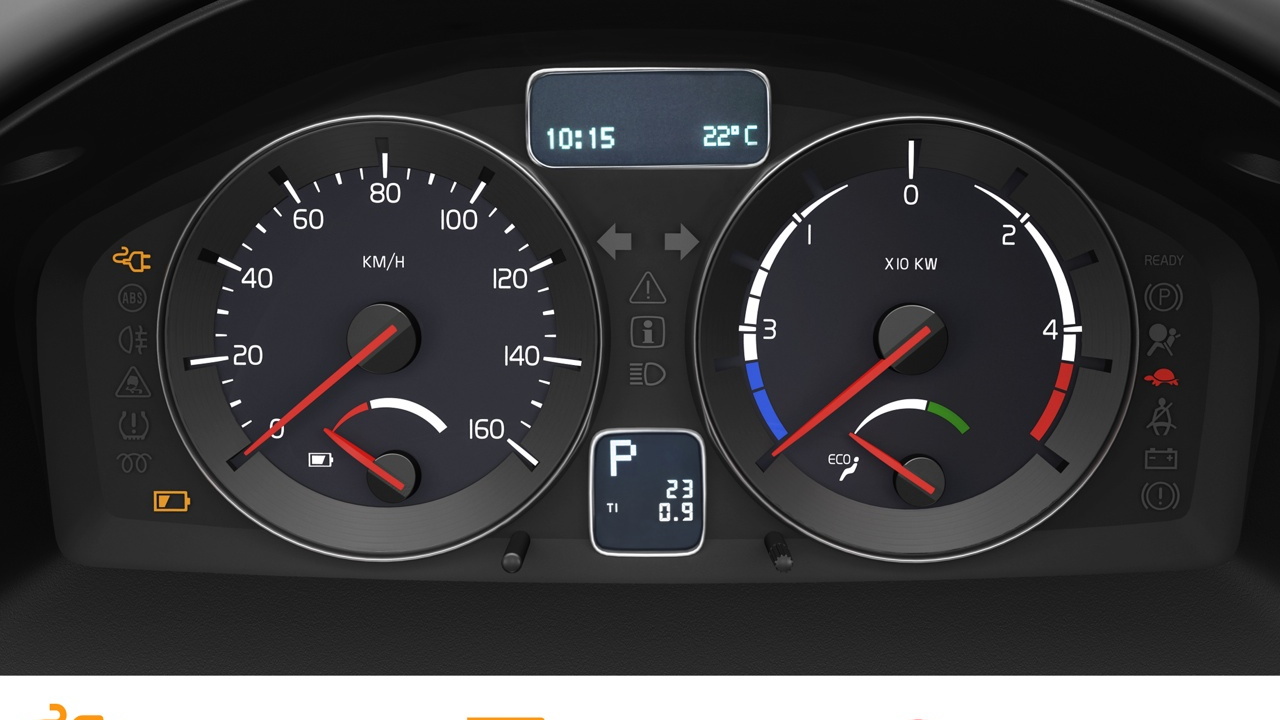
The most obvious difference inside the car is the new instruments facing the driver. The gauges and graphics are somewhat different to those in a conventional Volvo. The instrument panel shows in principle only road speed and energy consumption. However, it also integrates a number of new symbols such as a gauge for battery charge status and other relevant information for this type of vehicle.
The driving experience is also different to that in a conventional car. The electric C30 has no gears and the motor's power is delivered seamlessly, with full power available immediately.
Top speed with a fully charged battery pack is about 81 mph. Acceleration from 0 to 60 mph takes less than 11 seconds. The car's range is up to 94 miles, which covers the daily transport needs of more than 75% of all drivers.
Power comes from lithium-ion batteries that can be recharged via either a regular household power socket or special roadside charging stations. Charging the battery fully takes about eight hours.
[Volvo]
---------------
High Gear Media has partnered with Tesla Motors on a new writing contest where YOU can win a tour and road test of the 2010 Tesla Roadster Sport. You can submit as many articles as you like and enter multiple times. Enter now!