More Details On Mazda RX-7 Successor

 
Follow Nelson

mazda taiki concept motorauthority2004

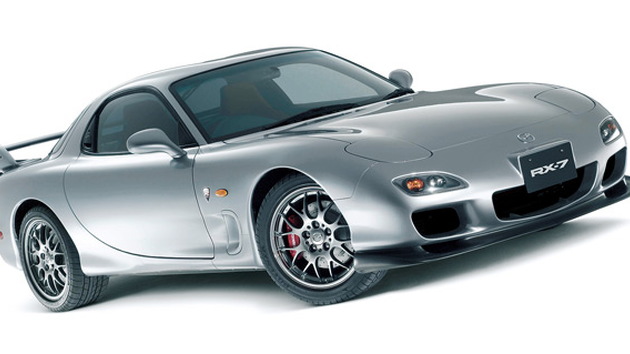
We've been bringing you updates on the internal development of Mazda's RX-7 successor for almost two years now, the most recent from the lead-up to the 2009 Tokyo Motor Show, where Mazda's design chief, Ikuo Maeda, said he wants to see a new RX-7 built. Today even more info has emerged, mostly centered on the name: RX-7.

The RX-9 name had been bandied about under former Mazda design global design chief Lauren Van den Acker, with the project intended as a sort of spiritual successor to the RX-7 featuring an up-rated 16X Renesis rotary engine and possibly a dual-clutch transmission, pointing at halo-car aspirations. It now appears that when Maeda took over as lead designer at Mazda in April of this year, the RX-7 rebirth turned a corner to become precisely that: a rebirth of the RX-7.

The key constraint on Maeda's desire: the market. As always, a new car from Mazda must have a business case behind it, perhaps now more than ever. Speculation on what the RX-7 successor might eventually look like is just that, but it can almost be guaranteed to feature two seats instead of the Mazda RX-8's four, and a rotary engine.

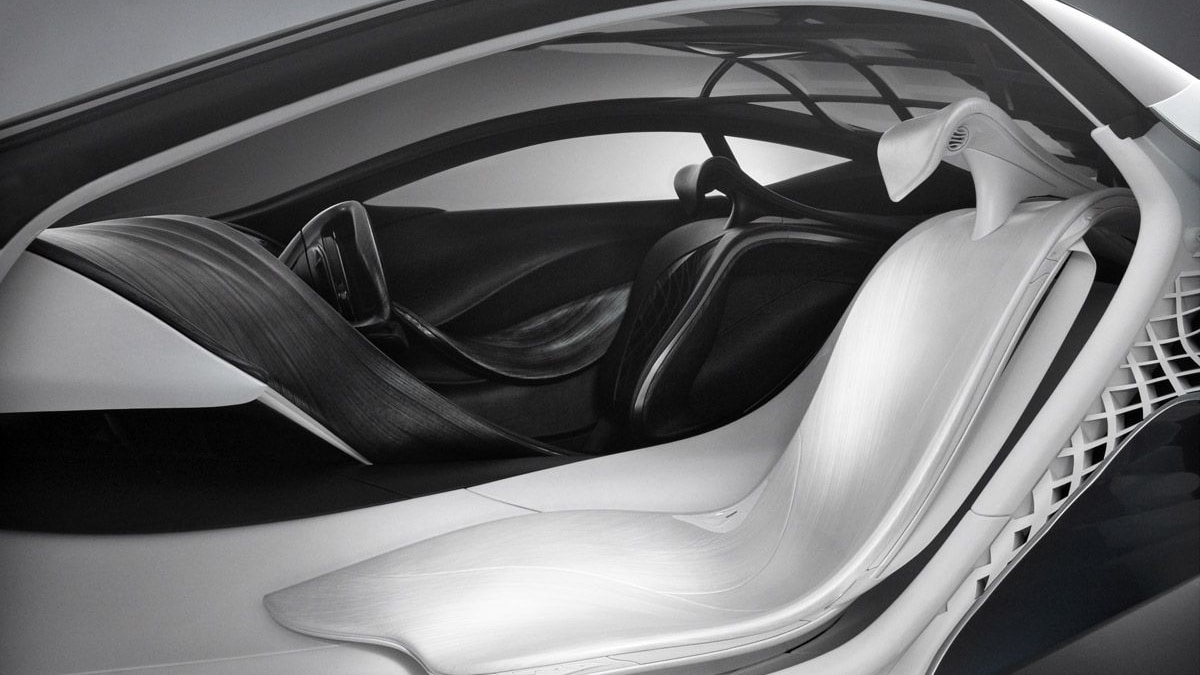
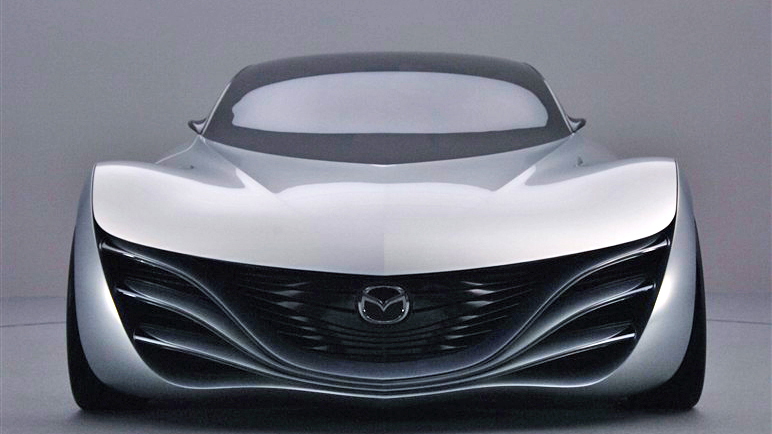
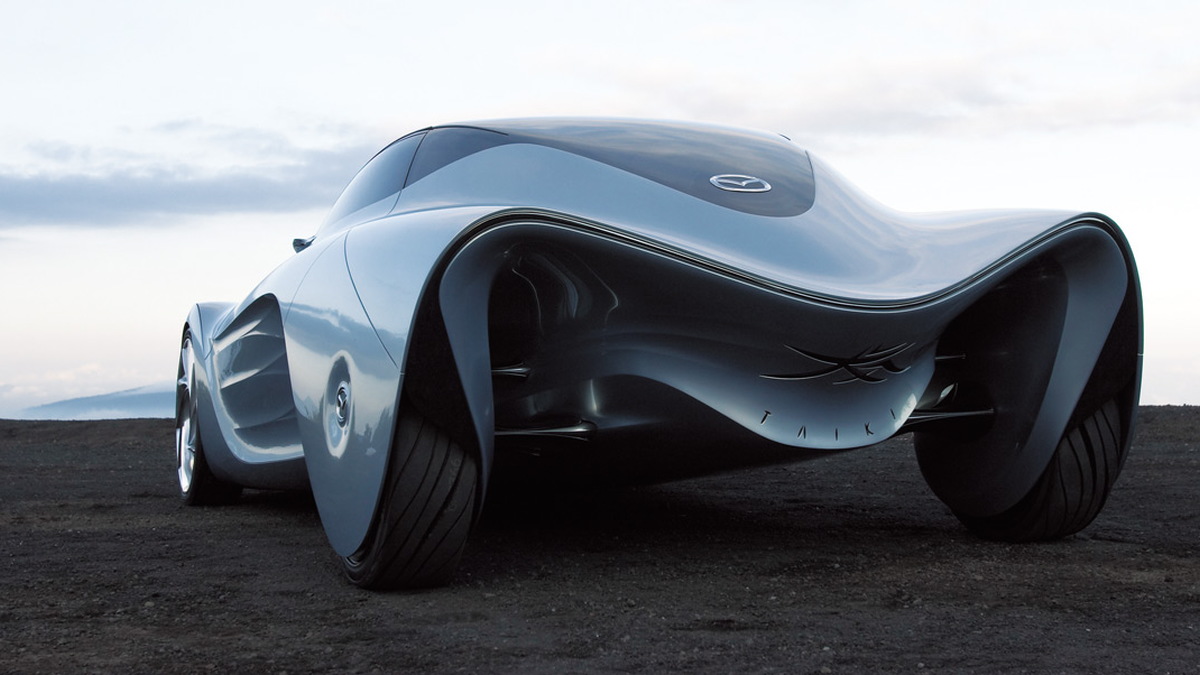
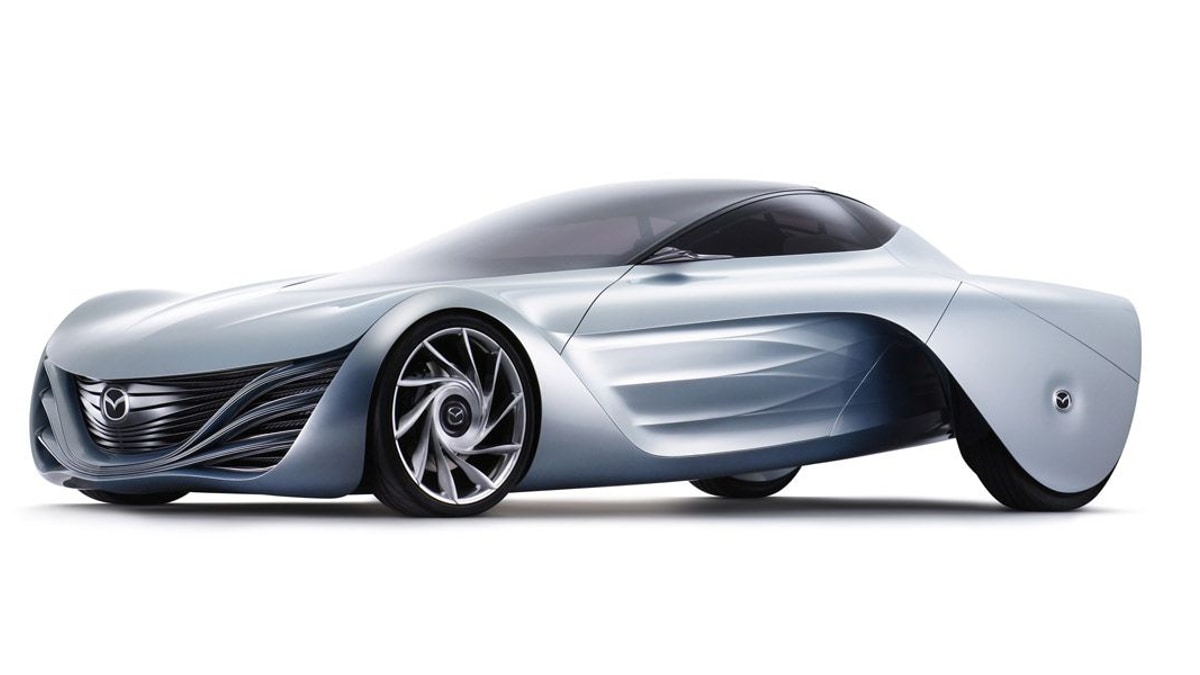
Looking as far back as 2007, the modern revival of the RX-7 was being foretold in general terms with the Taiki concept, a two-seater which featured the same 1.6-liter, 270-plus-horsepower 16X Renesis rotary expected for the next-gen car, though the latest news says the RX-7 might exceed 300 horsepower. The concept's materials and design also hint at a lightweight goal for the car, possibly as low as 2,600 pounds--a figure almost unheard of in today's age of crash testing, pedestrian safety and full-featured interiors.

In February of this year, rumors re-emerged of work for the RX-9, confirming the previous iterations of the rumor in terms of hardware and goals. A patent application from May of this year also revealed Mazda's work on direct injection in the rotary form factor, yet another indication that work behind the scenes is already well underway.

It will still likely be several years until any potential production model is revealed, however, as the car must go through prototyping, concept and testing stages first. If Mazda decides the market might bite on a new RX-7, however, expect to begin seeing test mules and prototypes in our spy shots soon, with the 2010 Tokyo Motor Show its earliest appearance before sales in 2011 or 2012.

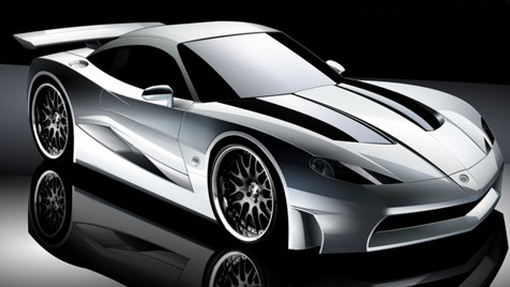
To get a completely unofficial idea of what a successor to the RX-7 might look like, check out Reuben Zammit's X-3 Concept rendering.

[AutoExpress, Autocar]


Follow Us


Have an opinion?Join the conversation!

  • Posting indicates you have read this site's Privacy Policy and Terms of Use
  • Notify me when there are more comments
Comments (6)
  1. I hope Mazda do make a successor to the RX-7 but if they do, it has to be quicker than the MS3. Something the RX-8 isn't, which i think, lets it down as Mazda's halo sports car.
     
    Post Reply
    Vote
    Bad stuff?

  2. HA! good luck Mazda, try to get some better fuel economy out of your over-hyped rotary motor before you relaunch a new RX7 in the new age of mandated-mpg-minimums. and I'm a lifelong RX7 fan. good luck to ya though!
     
    Post Reply
    Vote
    Bad stuff?

  3. I'd bet that with Direct Injection, Auto Start/Stop, a DSG transmission and aluminum suspension/body components, Mazda could easily get an RX7 up into the high 20's/low 30's.
     
    Post Reply
    Vote
    Bad stuff?

  4. I am big lover of this car.Reports from Japan have revealed that new design chief Ikua Maeda has already sketched plans for the next RX-7, and is said to be pushing the three-door model to the firm’s board of directors. Mazda has chosen to use the light and compact Renesis 16X Wankel engine – the same unit as fitted to 2007’s Taiki concept car.
     
    Post Reply
    Vote
    Bad stuff?

  5. I don't see why the standard sort of engine technologies used elsewhere can't enhance the Rotary to current fuel consumption standards;
    variable-geometry turbocharging, low duty lean-burn mode, direct injection, variable intake runners (like Toyota's TVIS), etc.
     
    Post Reply
    Vote
    Bad stuff?

  6. Max, I think it will help some, but standard piston engines don't to contend with the sealing requirements of a wankel. Lean-burn = high heat which sooner or later will mean busted apex seal or o-ring.
     
    Post Reply
    Vote
    Bad stuff?


Have an opinion?Join the conversation!

Connect with Facebook

Motor Authority. Now with your friends.

Discover stories your friends read.
Share stories more easily.
You control what you share.
Learn more

Research New Cars

Go!

 
© 2011 MotorAuthority. All Rights Reserved. MotorAuthority is published by High Gear Media. Stock photography by Homestar, LLC. Send us feedback.