


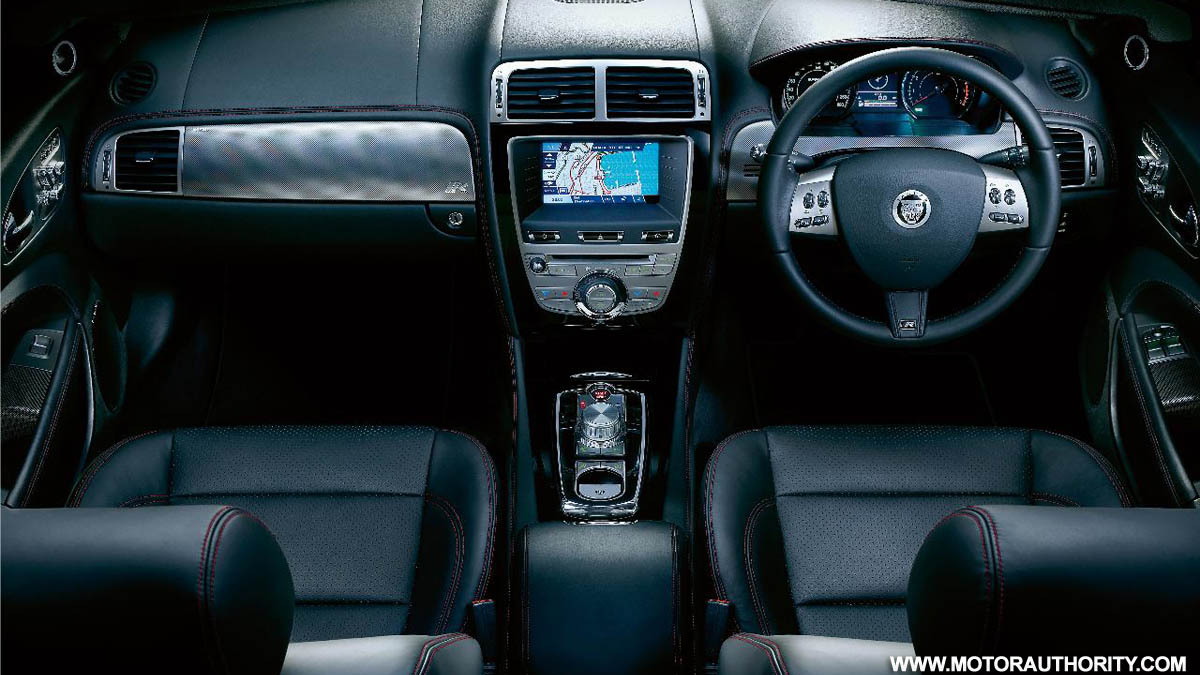
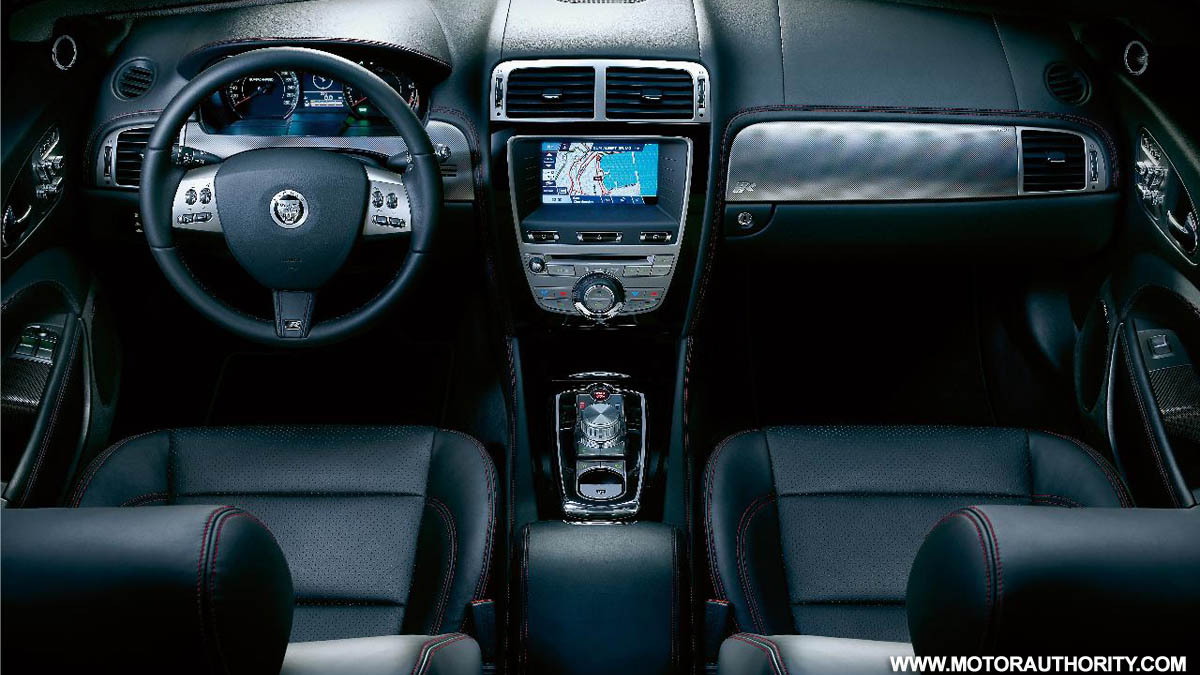
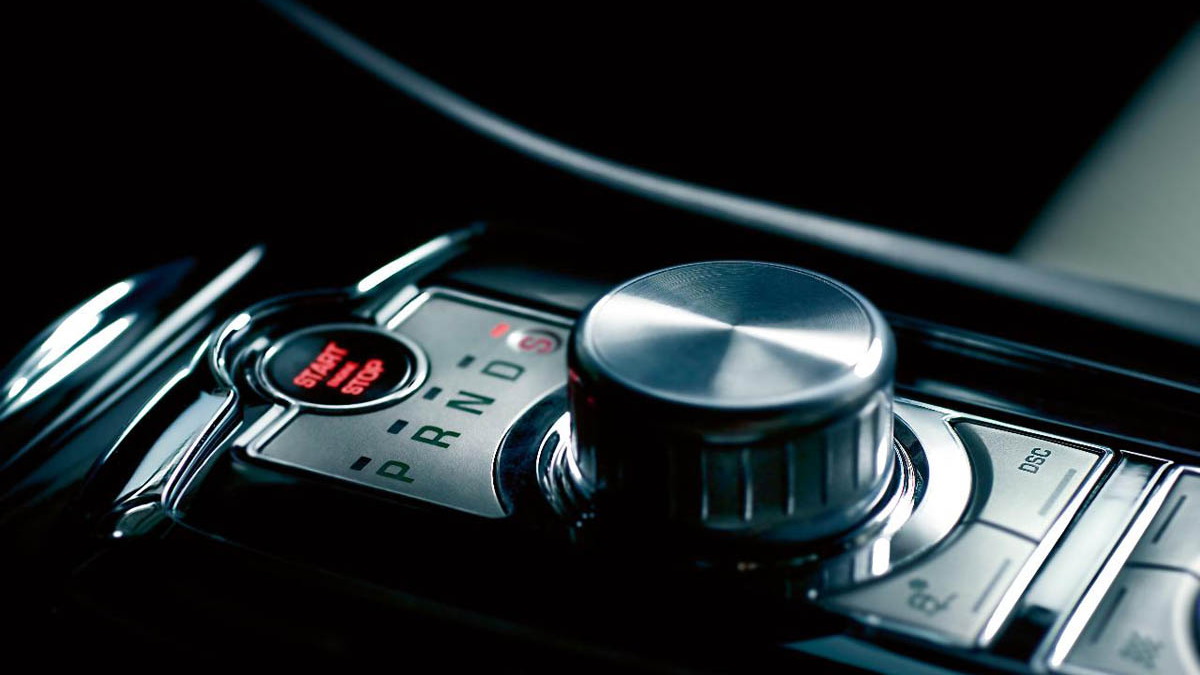
2010 jaguar xkr facelift 032
Jaguar is known for its use of aluminum in the construction of some of its models, and the weight and dynamic advantages that this approach offers compared to traditional steel-bodied automobiles. Now, it has been revealed by Tata Motors chairman Ratan Tata that all future Jaguar and
Land Rover models will make use of aluminum in their bodies - a move that will help Jaguar and Land Rover models keep weight down and improve mileage and efficiency figures.
Tata Motors, which owns Jaguar and Land Rover, revealed the information through Ratan Tata's comments in the company's annual report. The news comes following
massive losses for the Jaguar and Land Rover duo in 2008, with numbers hovering around the negative £673.4 million ($1.1 billion) mark.
These losses were largely attributed to high development costs for new models, as well as the poor
luxury car market, but vehicle production costs would also have been a factor. The use of aluminum in the construction of cars is certainly more expensive than using steel, but Jaguar and Land Rover will be banking on the efficiency gains that the material affords to woo a more environmentally-conscious public in the future.
Jaguar has already made extensive use of aluminum in the construction of the
XJ and
XK models. As revealed to
Autocar by Jaguar senior engineer Andrew Tarpey, “an all-aluminum body is the foundation for the major vehicle attributes of safety, driving dynamics and performance", and that more extensive use of the material will allow the designers to "produce a lightweight, efficient body structure with fewer parts and joints, meaning a stiffer body".
2010 Jaguar XKR
2010 Jaguar XJ
Have an opinion?Join the conversation!
Incidentally, Audi were also one of the first companies to galvanize steel bodies. I'm excited about the prospect of Audi A4s with carbon composite bodies...
What? Can you explain how that would be the case? It certainly makes no sense based on my observations of the complex surfaces produced over the years and currently.
Aluminum isn't as ductile as steel and when formed tends to bounce back towards it's original shape, therefore the presses must be made in such a way that the bends in the form are exaggerated to compensate for the way the metal reacts to stamping.
If you'll notice, Audi and Jaguar don't use elaborate forms in their aluminum bodies - very slab-sided - and at the ends of the body where the most significant curves exist are composed of plastic end-caps.
Quite so - LR started using aluminum bodies in 1948...
...and again, very slab-sided designs to deal w/ the innate properties of aluminum.
The engine components, suspension components, etc are all made by casting the aluminium in molds.
By hj Posted: 1/21/2010 1:09am PST
but if talking about form.. hmm, in 60ies cars (mainly sport/rasing cats)were made from aluminium and they were very curvy.. but that maybe has something to do with the fact that the body panels were formed by hand...
Have an opinion?Join the conversation!