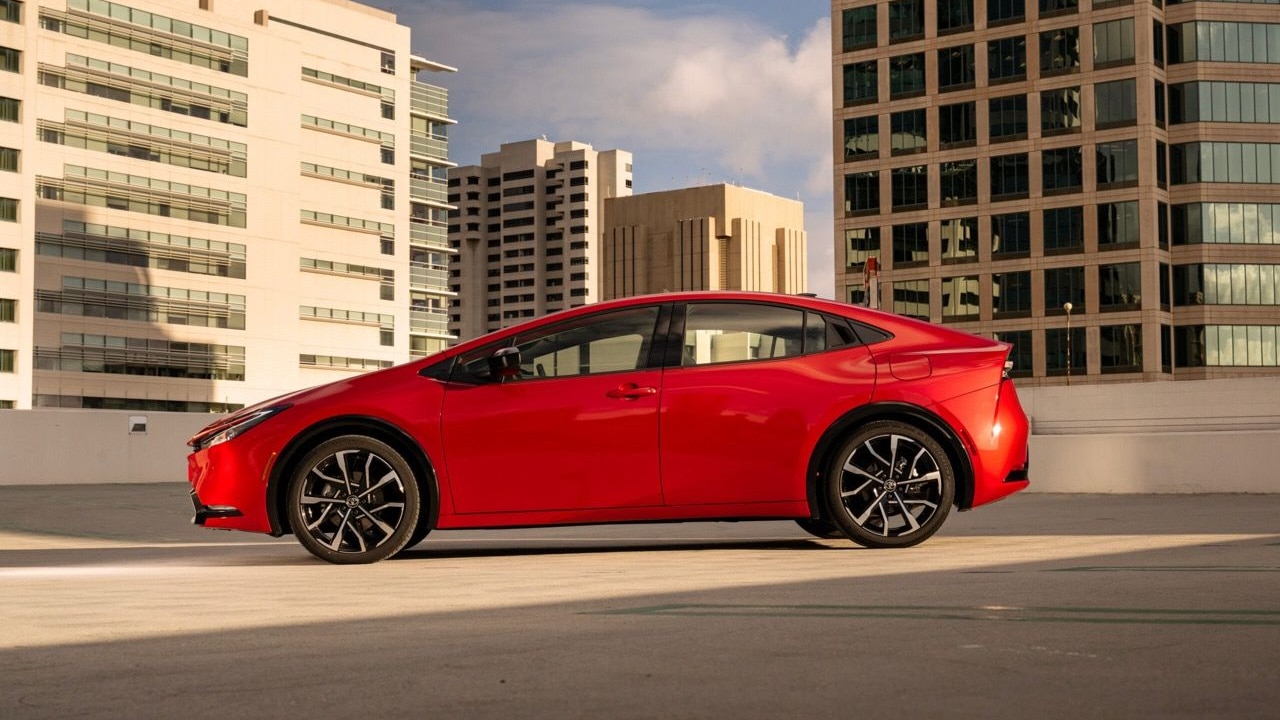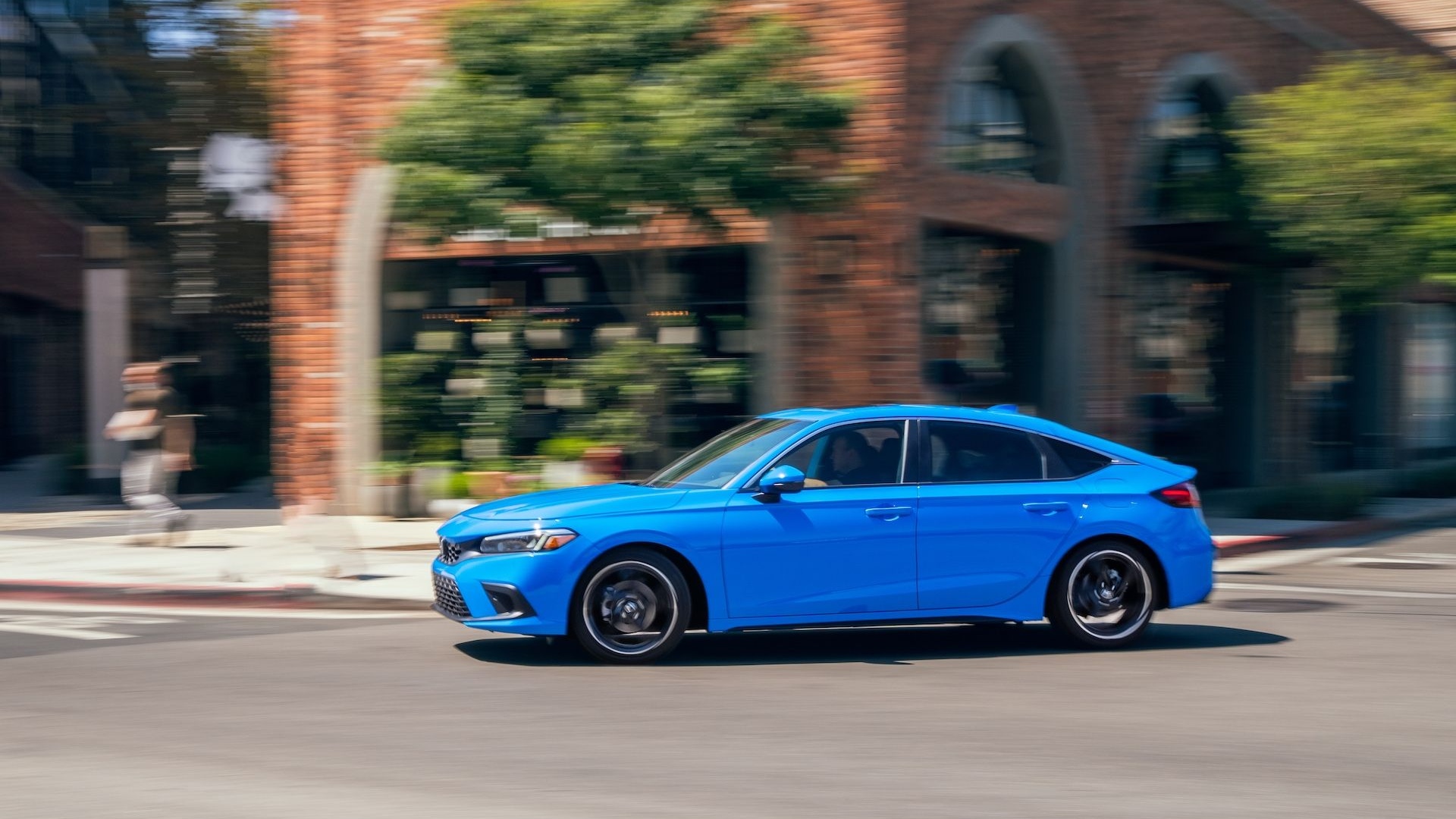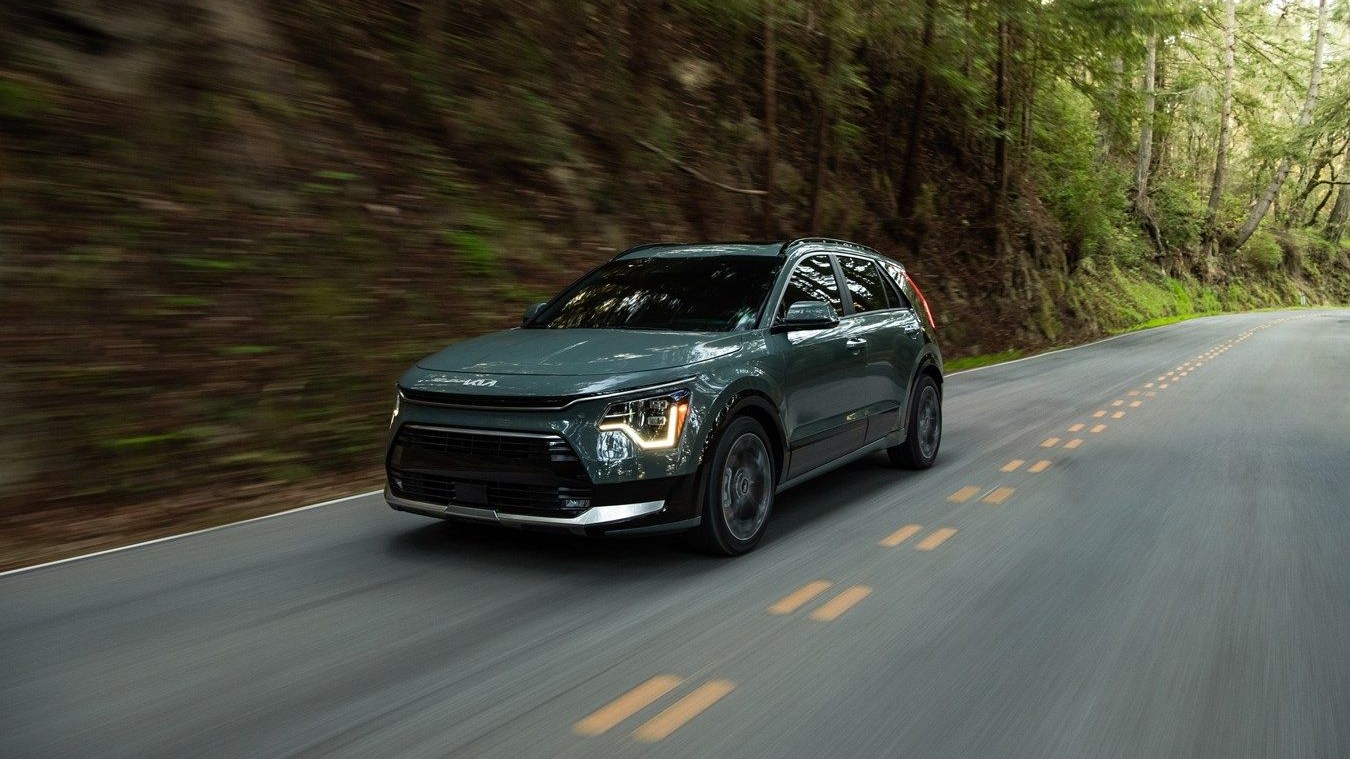
Today hybrids make up a little less than 1% of the cars sold around the world, totaling about 480,000 in 2008 - most of those in the U.S. That leaves a lot of growth to be done by 2020, but with ever-stricter emissions rules, more favorable incentives and higher fuel economy standards, the hybrid will soon be getting an even push from both consumers and government.
Also playing into the JP Morgan calculus is the likelihood of higher - perhaps much higher - fuel prices in the future. As a motivating factor, fuel prices are a proven spur to hybrid sales - all one needs to do is to consult 2008's sales figures. Back then, even with the looming financial apocalypse, hybrid sales were booming.
Looking between now and 2020, one benefit of the proliferation of the electric/combustion technology will be a decrease in per-unit cost. Right now hybrids cost about $5,667 more than their standard counterparts, but by 2020 that's estimated to plummet to just $1,890.
JP Morgan's estimate significantly outstrips JD Power's predicted tripling of sales by 2015, though the JD Power study also studied diesel sales.
Via: AllCarsElectric