
2010 mini e electric vehicle ev la auto show 010
If the futurism of the 1950s and 1960s taught us anything as a culture, it's that what seems a sure thing today may prove laughably optimistic in a few decades. Stefan Jacoby, CEO of
Volkswagen Group of America, thinks a similar situation is playing out with electric cars today.
Jacoby's main problems with a near-term mainstream electric vehicle (EV) reality are practical ones: infrastructure, affordability and safety.
"What would happen if 50 million new electric customers would plug their electric cars in an electric socket?" Jacoby asked
Automotive News. "There is no country on earth that is really properly prepared for electric cars."
Even if there were a system in place that could handle that much charging, he says, building safe and efficient vehicles that store that much electricity just isn't cheap. A case in point: the
Chevrolet Volt, though it only runs on electricity for a maximum of 40mi (64km) its expense and complexity have already brought target prices and delayed release several times.

Swimming upstream: Stefan Jacoby has some non-standard-issue opinions on the near future of EVs
Enlarge PhotoBeyond the completely assembled cars, for that matter, the underlying technology - motors, especially - isn't that highly developed. Many carmakers, including
BMW and Ford are working on projects like the
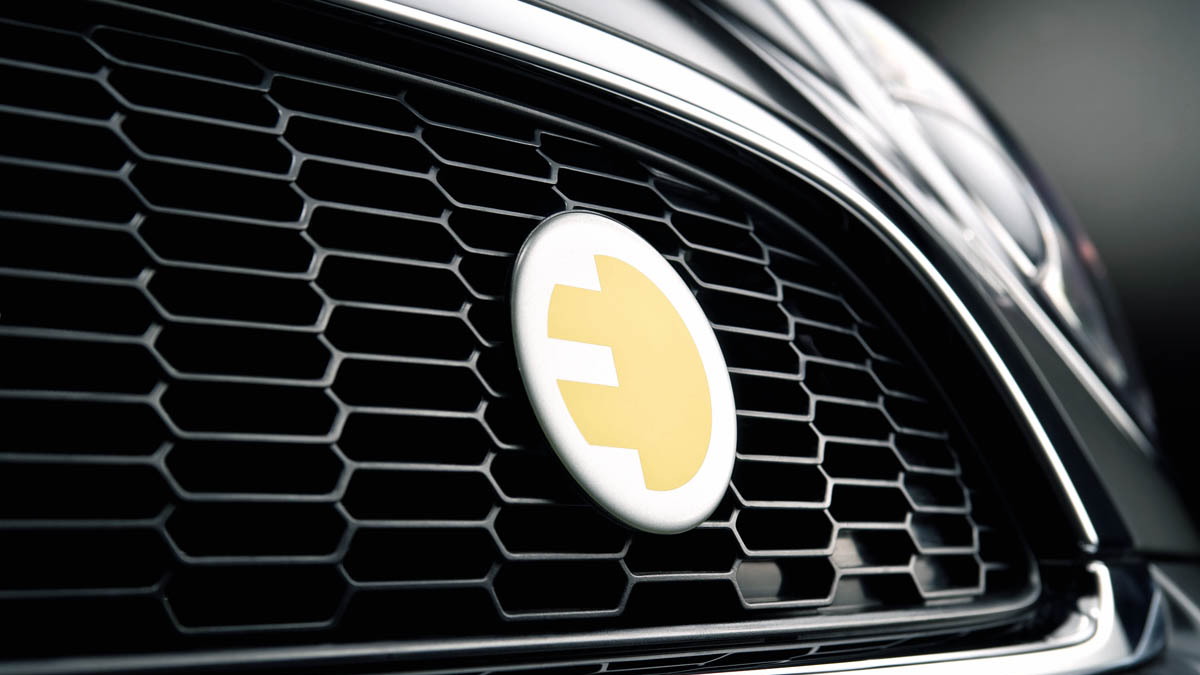
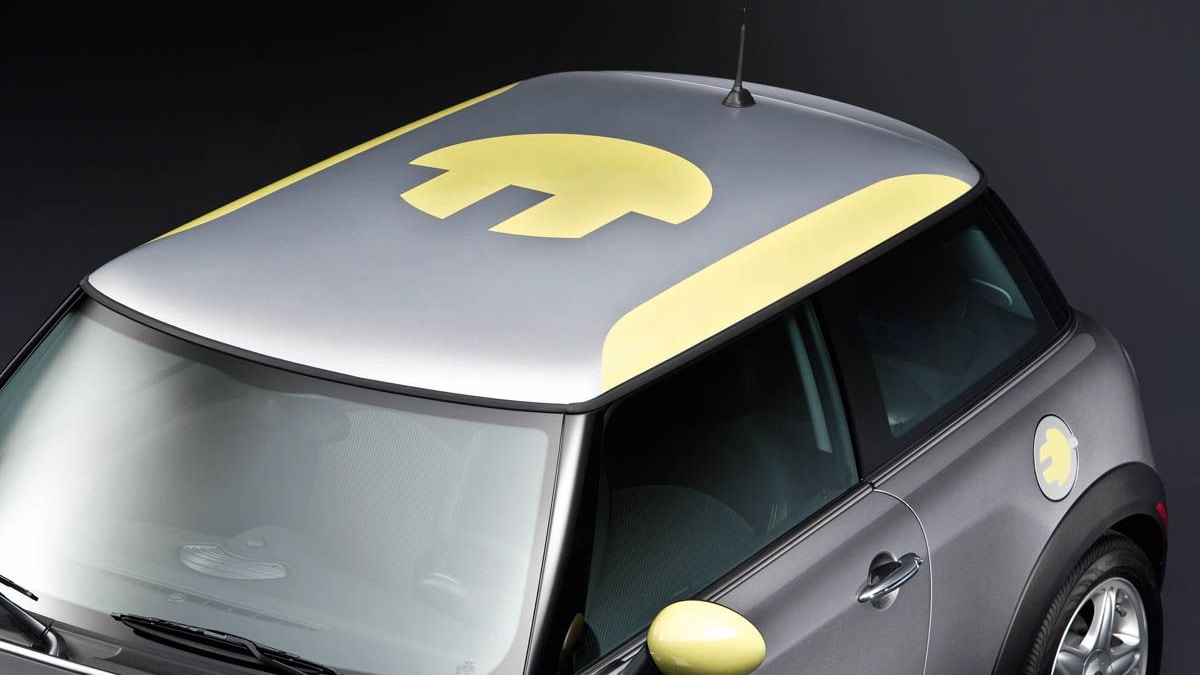
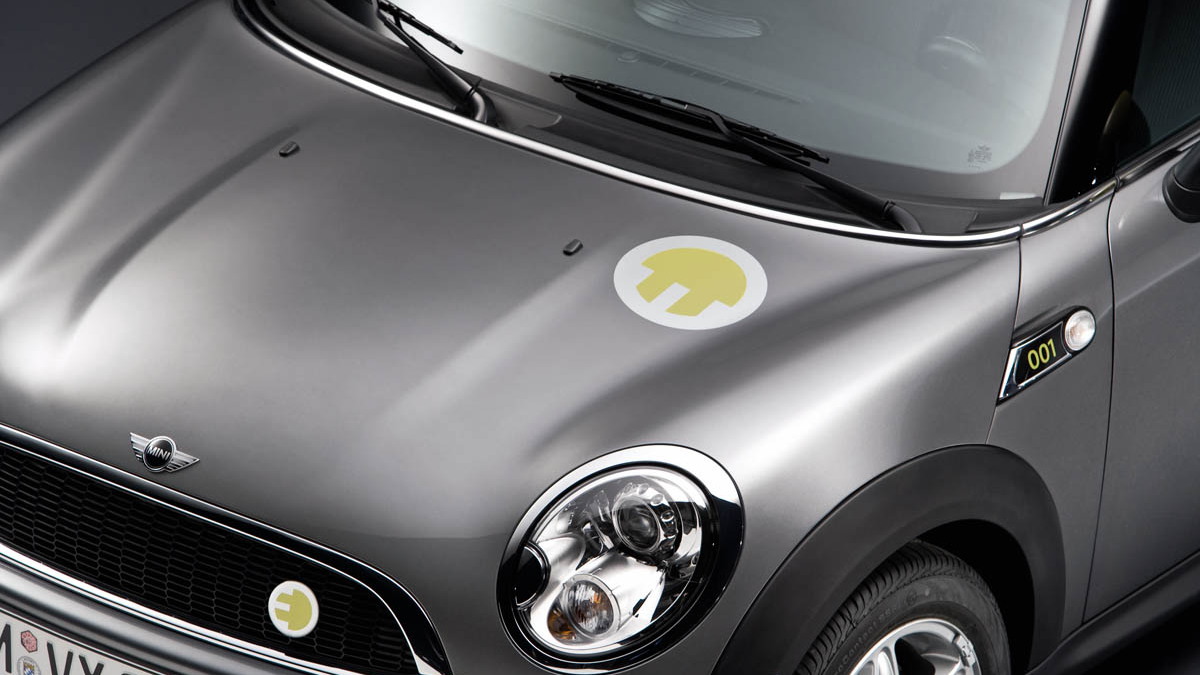
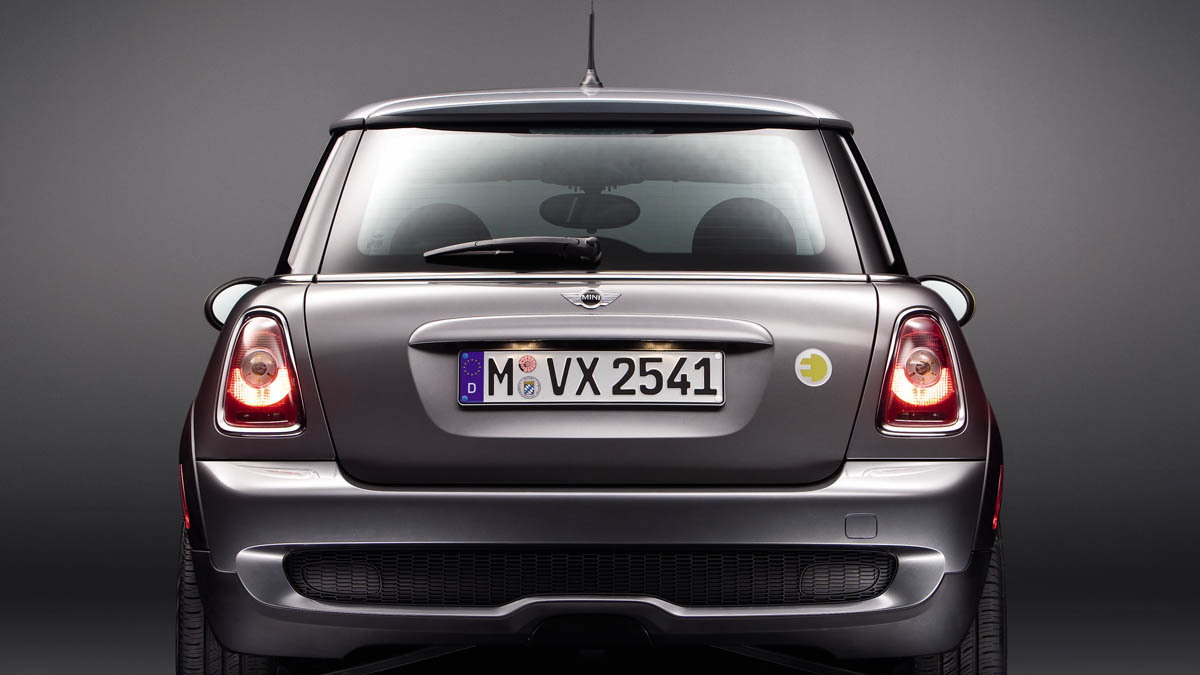
MINI E and the Ford Focus BEV (see galleries below) to help overcome these hurdles, but Jacoby doesn't see the solutions materializing in the immediate future.
So what does Jacoby think is the interim alternative? More efficient fossil fuel engines. In fact, Jacoby thinks that pure fossil-fueled vehicles will be getting up to 70mpg efficiency by 2020. Of course, there is already strong evidence to backup his claim, in the form of the
VW Polo BlueMotion concept (pictured), rated at 71mpg and unveiled at this year's Geneva Motor Show.
2010 Mini E electric vehicle
Ford Focus Battery Electric Vehicle (BEV)
2009 Volkswagen Polo BlueMotion Concept Car
Have an opinion?Join the conversation!
John Rees
electric cars are coming and guess what.. they wont flood the market over night. we've already got electric city cars.. and highway rated cars are coming. they aren't ridiculously expensive.. and they will have their proponents. at first they will only make sense for some.. and then as the technology progresses, it will make sense for more people. simple as that.
but to say 35 years.. thats just ridiculous.
by the way.. canada is working on a system that should be implemented in another 12 months that will allow for the grid to handle the increased loading of electric vehicles. if the generation facilities are needed, those can be built in toe with the rising demand.
1) Like we're all going to wake up one morning and find 50 Million EVs on the road, that's such an idiotic statement. There weren’t any petrol stations when ICEs started mass production either.
2) All these idiots quoting battery prices... EV sized Li-ion batts aren't even in mass production yet.
3) "Electric motors aren't highly developed"?? LOL there's a sh*t load more electric motors in the world than there are ICEs and they've been around just as long...
This bloke should just refuse to give interviews and save himself and VW the embarrassment.
its true.. electric motors have been around nearly as long as ICEs, but they've been developed for specific applications, and there just arent many companies out there with motors that are suitable for commuter vehicles. not well designed for the application anyways. there is a lot of research going in at the corporate level and the university level to get some solid motor designs out there. even the motors that todays hybrids use are not designed for the full range of speeds a commuter vehicle travels, nor are they using any sort of sophisticated technologies either.
if EVs are embraced by the public and the big auto companies, i'd say theres a solid 20 years of exponential development in motor design that will give the EV quantum leaps in performance.
take this from some one close to that research.
There's only one thing you need to be able to do to get the top job, make money. You need a business mind, having a technical mind as well would be nice but it's not a requirement; that's what the engineers are for.
Technology will run its course and in 35 years we might have a sizable fleet of EVs but in the meantime we'll be relying on ye olde internal combustion engine with a sprinkling of hybrids.
When the moment comes we'll plug in our EVs to the wall and recharge them with electricity that comes from power plants that run on electricity and not on evil oil or coal.
(That last paragraph is a joke, a way of laughing at all those people that think that EVs will save the planet while not giving even a first thought to how the electricity to recharge them will come from).
It's one thing to criticize and quite another to work on over-coming those obstacles.
If it's one thing history has taught us, ingenuity will lead, especially during the periods of growth immediately out of a recession.
By Maribel Posted: 11/13/2010 12:41am PST
Have an opinion?Join the conversation!