
AutoNation, a national dealership network based out of Fort Lauderdale, FL - America's largest car dealer - has over half a million hybrids sitting on lots all over the country, CEO Mike Jackson told the Boston Herald at The Wall Street Journal's ECO:nomics conference. The hybrid overstock is part of the larger problem of a 40% drop in sales over the last quarter of 2008.
All those cars are testament to the fickle nature of the market: the same consumers that have chastised the Detroit 3 for not being quick enough to hop on the hybrid train are now shunning all hybrids because they don't make financial sense.
Jackson is so desperate to turn around the consumer calculus on hybrids that he's even advocating a tax on gasoline that would push pump prices back up to the $4 mark we were all so afraid of. His argument: the taxes would somehow push down petroleum prices and keep money in the U.S. that would otherwise be exported.
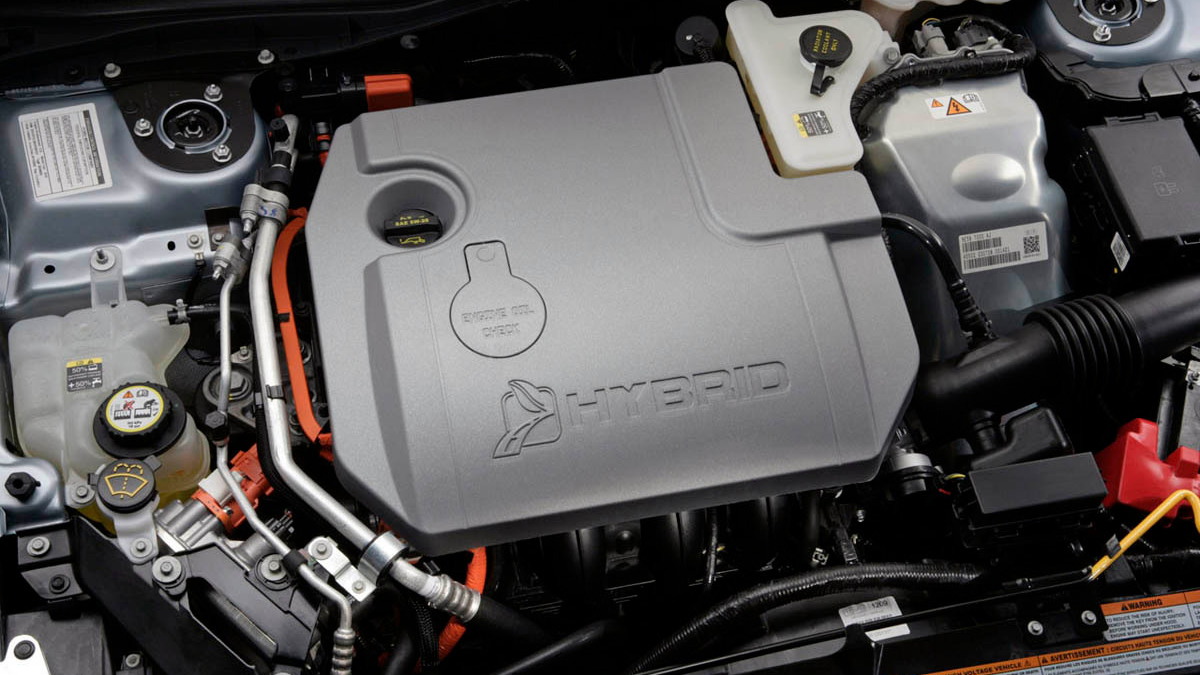
If the largest dealer in the country is having trouble selling hybrids, the situation raises a serious question about the success of newly introduced hybrids such as the Ford Fusion and Mercury Milan hybrids, Honda's Insight (pictured) and others. Will they be able to trade on their strong efficiency as long as fuel prices remain low and consumer credit stays tight? Or will the Insight's sub-$20,000 price target mean it sells well while other hybrids fail?
