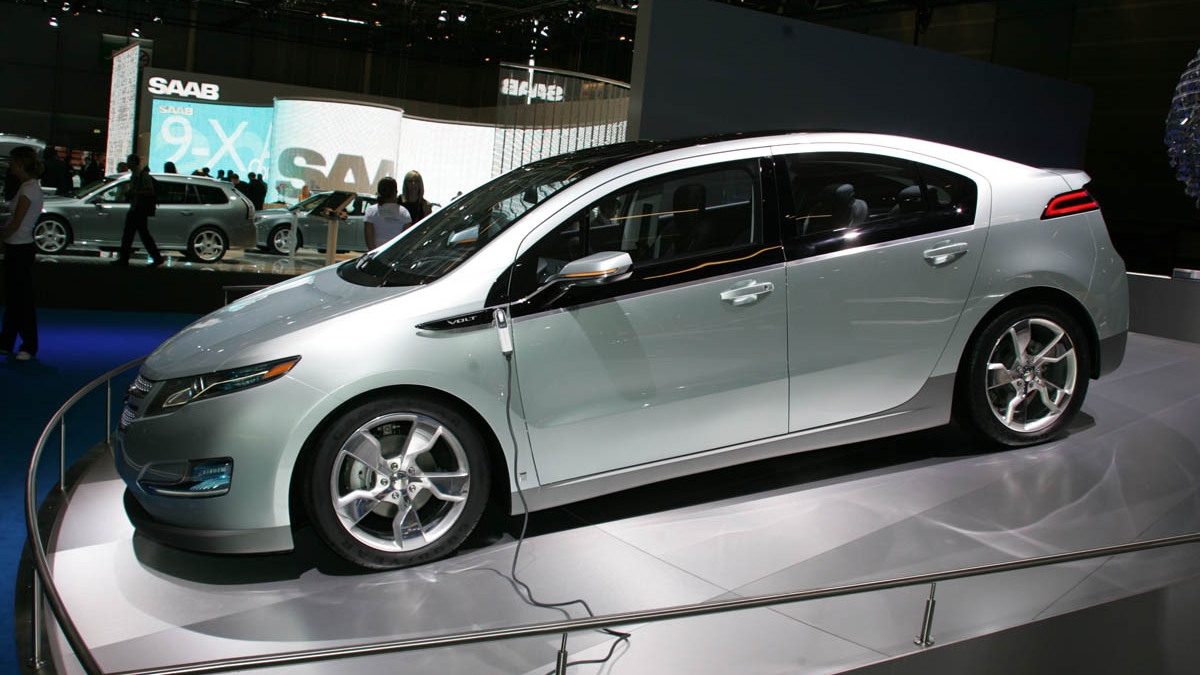
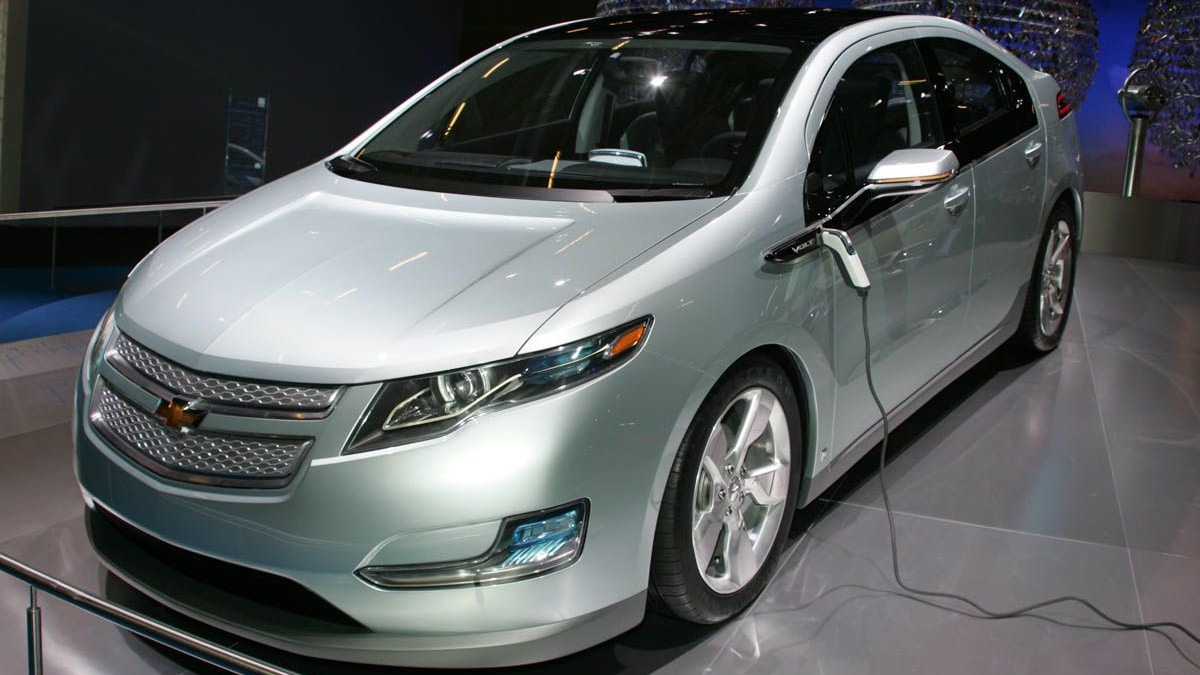
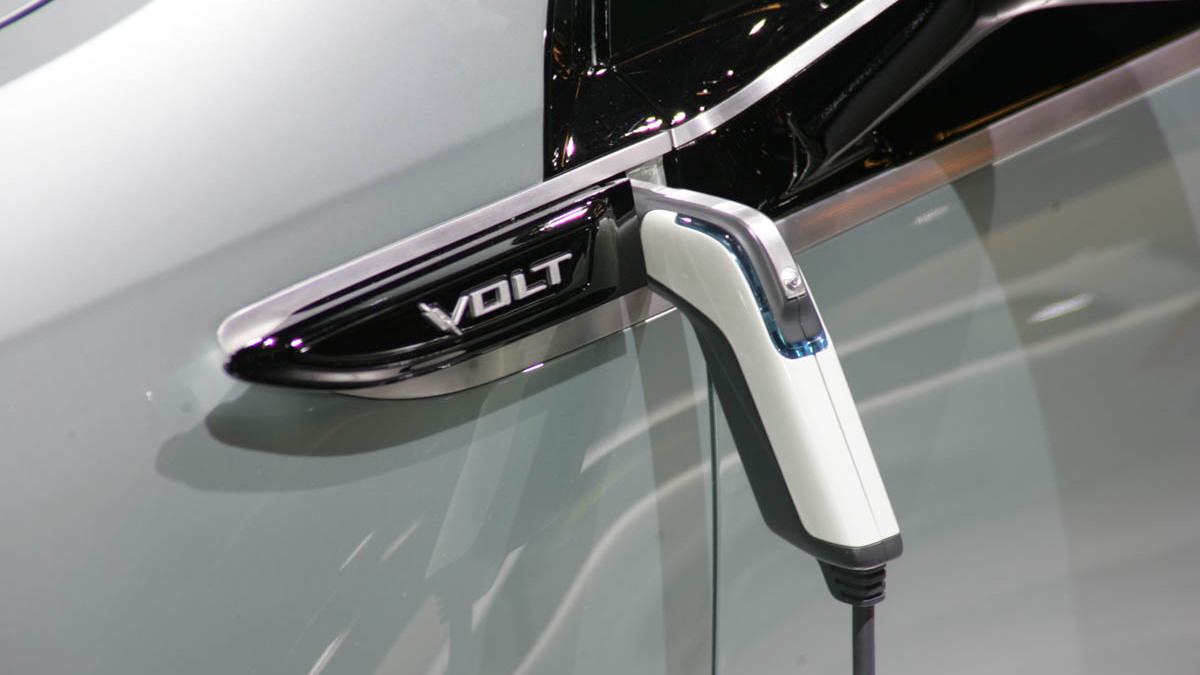
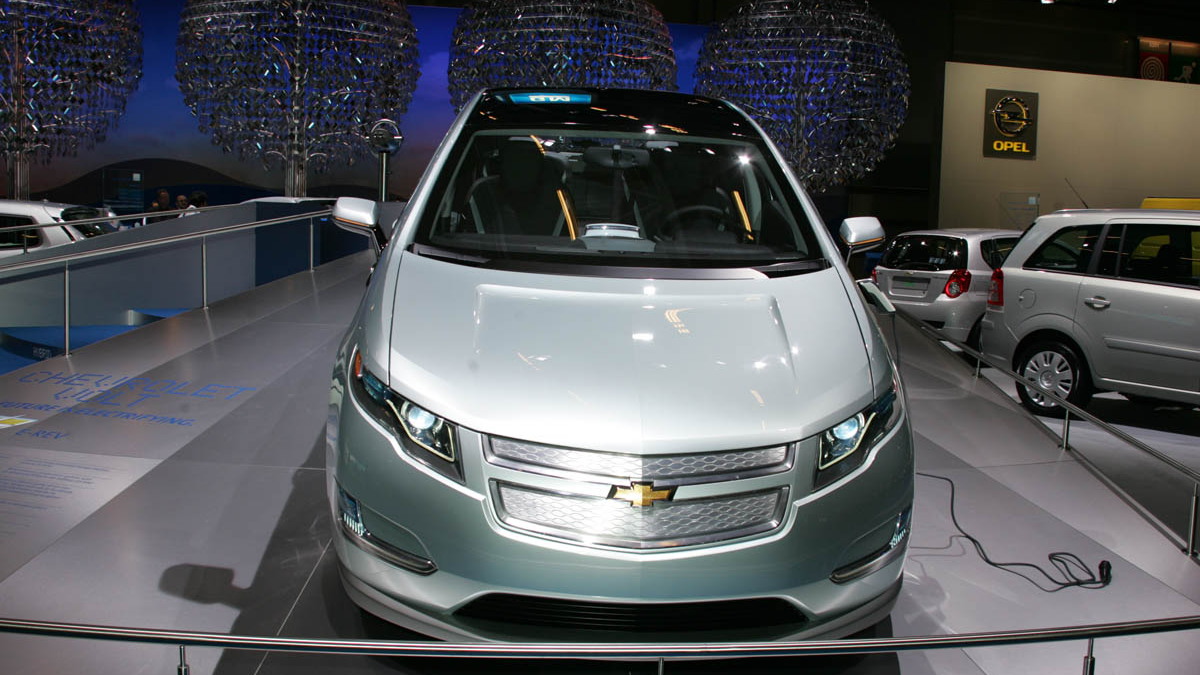
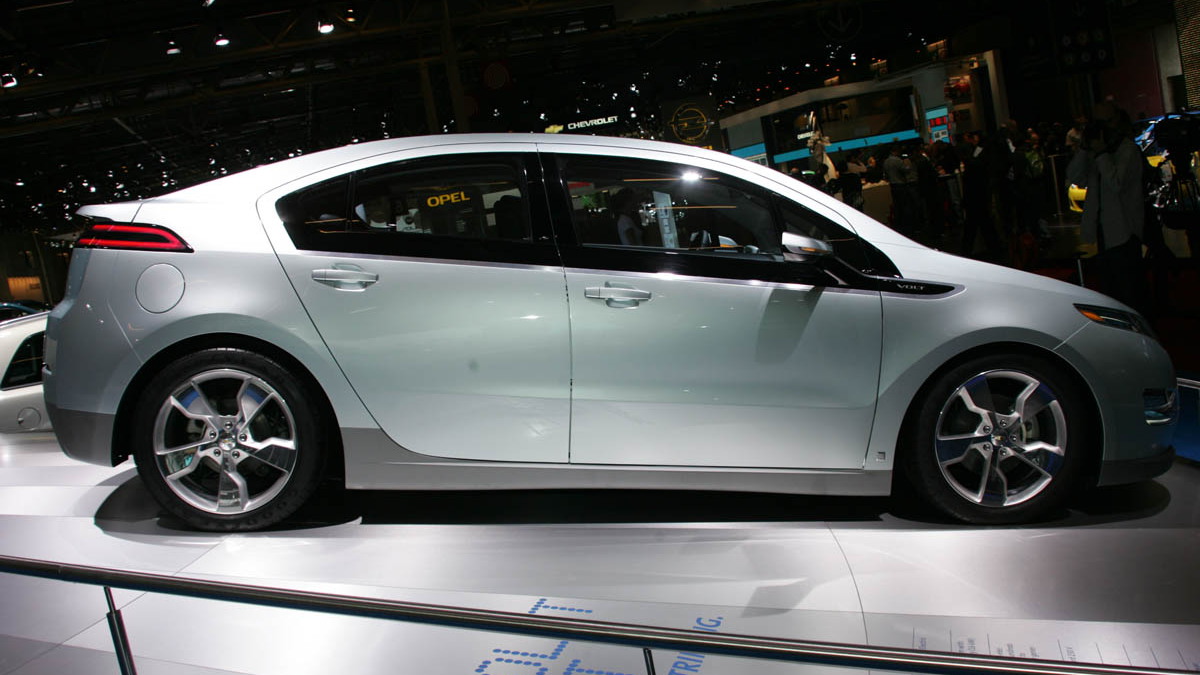
2010 chevrolet volt live paris 010

The final figure comes after a $7,500 federal rebate
Enlarge PhotoGeneral Motors has responded to a recent
Carnegie Mellon University study claiming that upcoming plug-in
hybrids such as the Volt are not actually as efficient as they seem. While cars such as the Volt use large batteries to achieve electric-only ranges of around 40 miles, the study claims that the best compromise between expense and efficiency would be to use smaller batteries giving the cars a range of just 7-12mi (11-20km).
Now, GM's vice-president of global program management, Jon Lauckner, has come out to defend the carmaker’s position. Lauckner claims that the study fails to take into account several important factors, such as the real cost of battery-packs and the fact that the federal government provides a $7,500 tax credit for vehicles such as the Volt.
While GM hasn't revealed just how much its battery packs cost to produce, it claims that the study overestimates this cost in its calculations. Thus, while the study showed that using lighter and less expensive batteries would offer the best compromise between expense and efficiency, GM claims that its battery packs are cheap enough to overcome this problem. Additionally a smaller electric range would result in a reduced tax credit for the vehicles, according to the government's stipulations in that area.
Despite the naysayers, GM's eagerly awaited Volt is still expected to sell well when it hits dealerships in 2010 and we expect its large 40mi range will be considered one of the most important features for potential buyers.
2011 Chevrolet Volt Production model
Toyota plug-in hybrid Prius in UK
Have an opinion?Join the conversation!
People we buy the Volt because they want a car that will drive on electric power for the majority of the time. To these people that EV ability alone with justify the cost. Initially the Volt will be expensive and only early adopters will buy it. As L-Ion batteries become less expensive and more widely used the cost will come down and more and more people will purchase PHEV's.
The computer editors say the same thing about solid state laptops. "Who would pay extra for a 16G solid state memory when you can get one with a 160G optical drive for less?" However, solid state laptops still sell.
Have an opinion?Join the conversation!