The argument goes that real-world efficiency of a plug-in hybrid isn't that much higher than a standard hybrid, so adding electric-only capacity is an exercise in adding cost, with no real benefit. A study by Carnegie Mellon University is the primary support for the position.
That study showed that using lighter and less expensive batteries aimed at an electric-only range of 7-12mi (11-20km) would offer the best compromise between expense and efficiency, and that combinations using larger batteries wouldn't be able to overcome the added expense with their slightly enhanced efficiency.
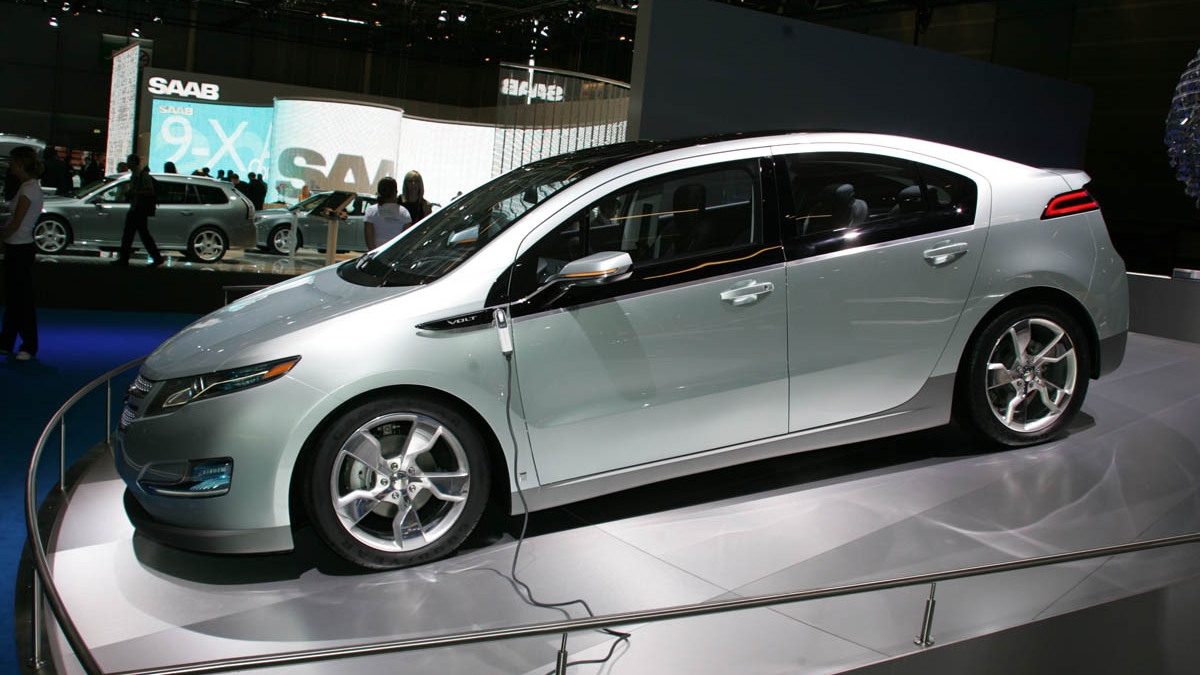
The primary implication of the study's findings - that the Volt and cars like it won't be adopted due to the out-of-whack cost calculus - hinges on one major assumption, however, and that is that the purchase of hybrids is financially motivated.
Taking a look back at the Prius, many of the same arguments were leveled at it, but that didn't stop it from becoming a major market success. That success was driven largely by early adopters wanting to do and be seen doing something for the environment.
Even when fuel prices were at their peak last summer, however, it would have taken at least 3.5 years to pay back the price differential between the Prius and the much higher-spec Camry LE. The Volt's expected near-$40,000 price tag won't win it any budget-conscious awards, but it isn't terribly far beyond the $30,000+ figures some Priuses were drawing when they were at the peak of their demand.
So the question isn't so much one of simple arithmetic - will this plug-in hybrid save me money - but one of complex social phenomena, and whether its green image will be enough to overcome the price hurdle.