
Report: Toyota plans to mass produce plug-in hybrids by 2012


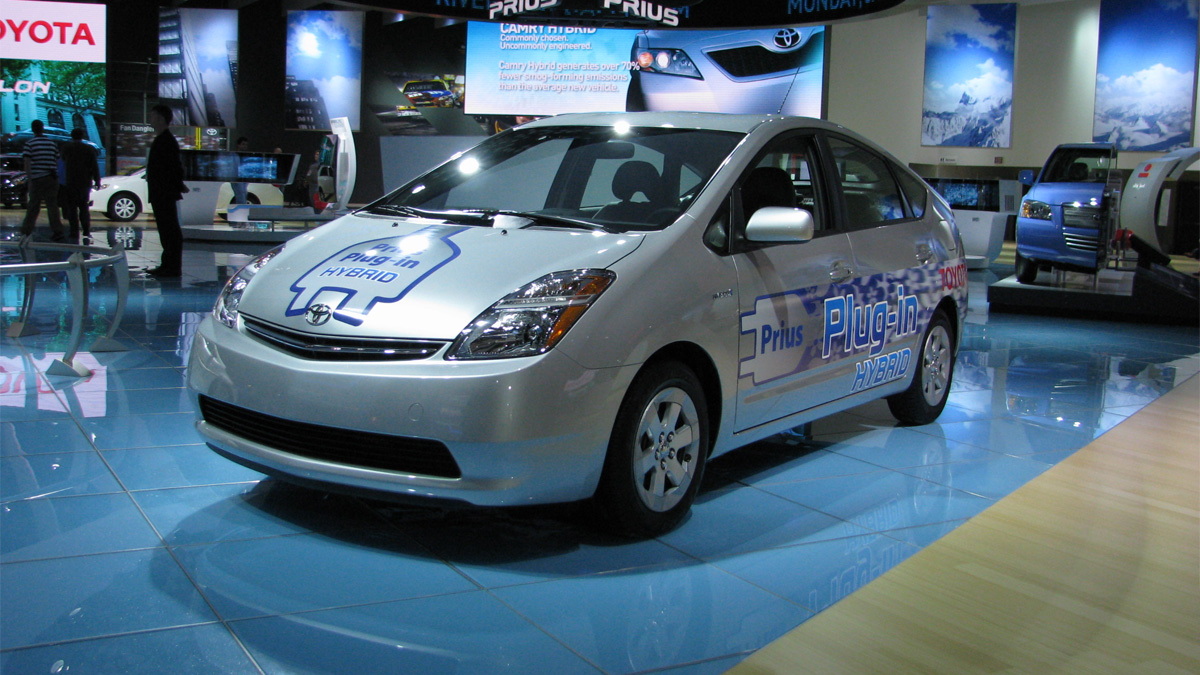
toyota plug in hybrid prius live 05

Cost and durability are two main issues with the technology, says Toyota

Cost and durability are two main issues with the technology, says Toyota

Enlarge Photo
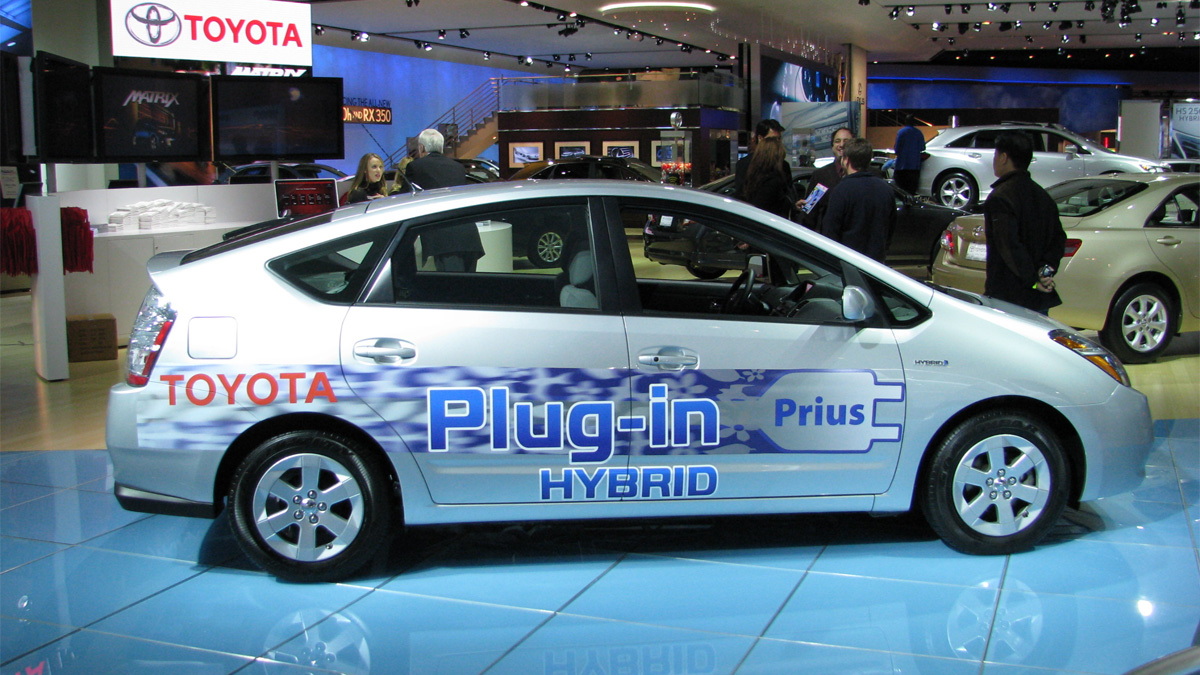
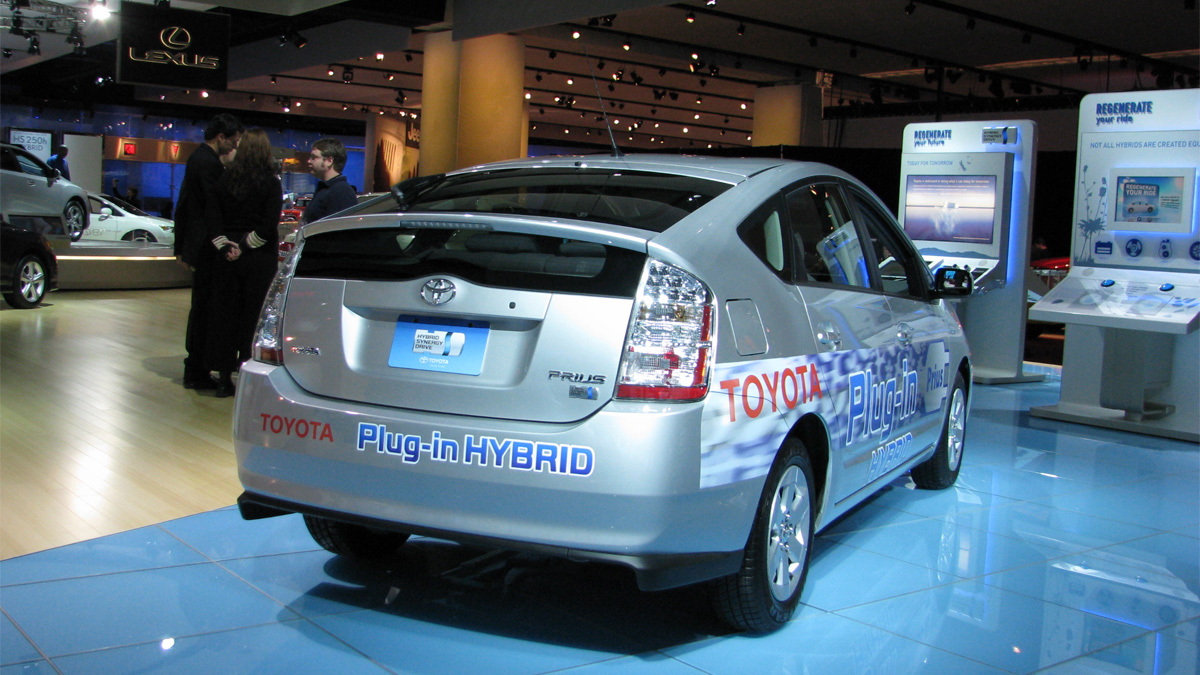
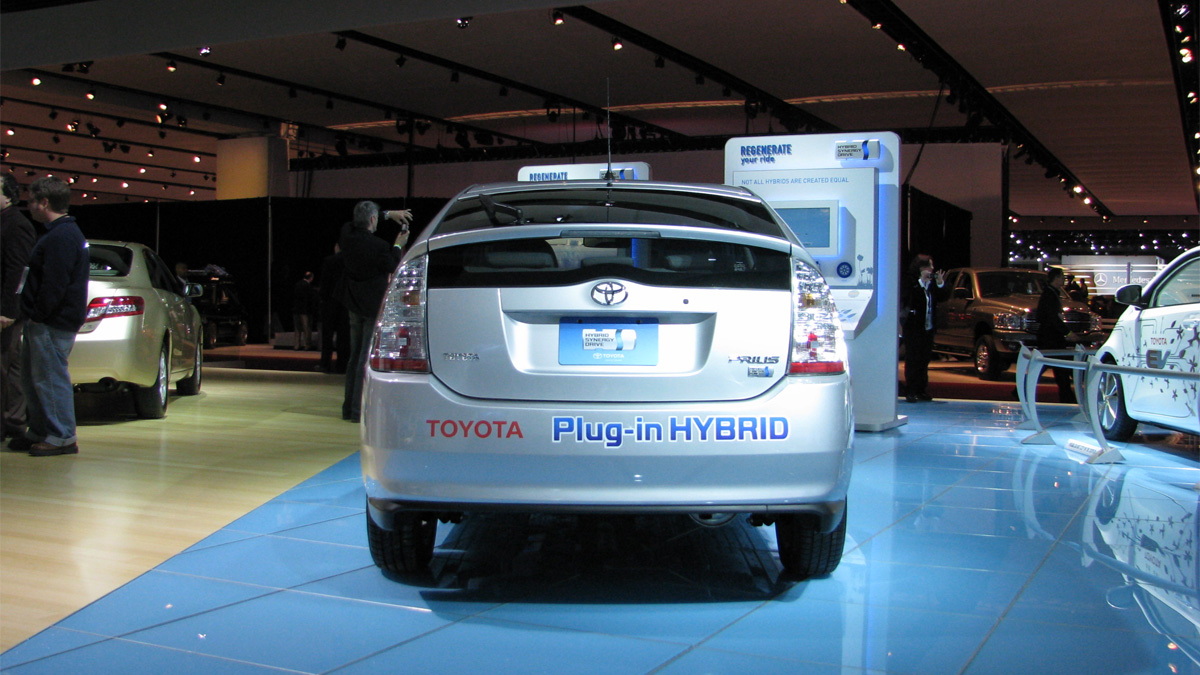
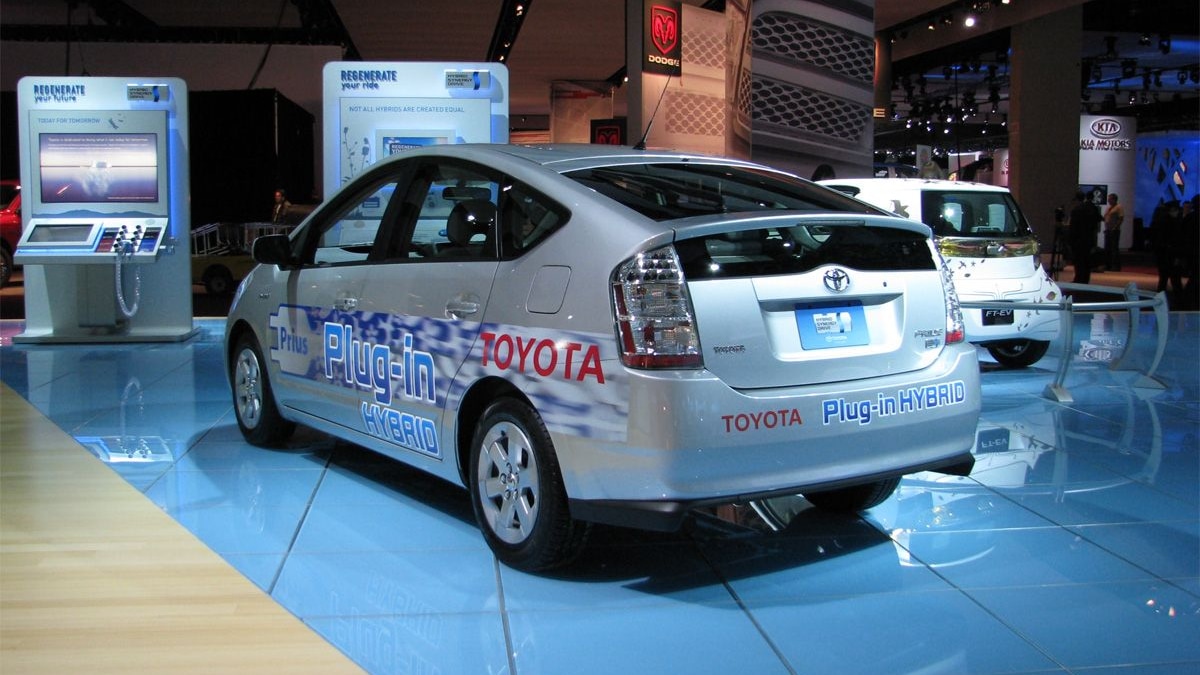
Toyota has already confirmed it will release a plug-in hybrid vehicle powered by next-generation lithium-ion batteries in Japan, the U.S. and Europe sometime next year but production of these will be limited and only commercial and government fleets are expected to receive the cars. Mass production of Toyota’s plug-in hybrid isn’t expected to kick in until 2012, according to latest reports.

Japan’s Nikkei business daily is reporting that Toyota will build roughly 20,000 to 30,000 plug-in hybrids in 2012, almost two years after closest rival General Motors starts producing its Chevrolet Volt.

A version of Toyota’s plug-in hybrid based on the conventional Prius hybrid will go on sale in Japan this month to fleet customers, and according to the same reports it will be priced at ¥4.59 million (approximately $47,800). It will run on lithium-ion batteries supplied by Panasonic EV Energy and will reportedly be able to travel up to 18.6 miles on electric power alone.

Toyota wasn’t willing to confirm any of the latest detail but the automaker has previously confirmed that trials of 500 Prius plug-in hybrids will start at the end of the year. The cars will be leased to government and commercial fleets, with 200 set to stay in Japan, a further 150 headed to Europe and the final 150 reserved for the U.S. market. The Prius plug-in hybrids are already averaging 65mpg in the combined cycle during initial testing - that's a 30% improvement over the standard 2010 Prius, recently certified as the most efficient hybrid in America.

 
Follow Us


Have an opinion?Join the conversation!

  • Posting indicates you have read this site's Privacy Policy and Terms of Use
  • Notify me when there are more comments
Comments (13)
  1. ...there's a shocker... against all indications given so far.
     
    Post Reply
    Vote
    Bad stuff?

  2. Great, let us shift the energy burden from a high demand for petrol to a high demand for electricity. I see these cars being released in large metropolitan areas along the right and left coast of the U.S.... you know, where population density and high energy costs go hand in hand. I hope the California electrical utilities are ready for this burden.

    Yeah, I am doom and gloom on this and obviously being reactionary, but this is just a shift of the energy burden. Luckily I live in a state that ranks close to the last in "Green" initiatives, so I don't have to worry about my electrical co-op jacking prices up to pay for additional power requirements associated with this new technology.
     
    Post Reply
    Vote
    Bad stuff?

  3. This is why the world needs to nuclear power.

    On a side note - weren't the California energy crises caused by Enron employees manipulating the supply to drive rates up?
     
    Post Reply
    Vote
    Bad stuff?

  4. Jeez, I can't believe Toyota is just copying the Americans, it's about time they caught up... ;)

    These cars will drain power primarily at night, when the demand is low anyhow.
    As Chris pointed out long ago, electricity is cleaner to produce than fuel buring in a car engine.
    My problem with this idea still comes from the fact that the vast majority of people in high density areas don't have access to a plug. Most park in comunity garages or parking lots, or on the street....
     
    Post Reply
    Vote
    Bad stuff?

  5. yeah nuclear power is great but Solar is even better.
     
    Post Reply
    Vote
    Bad stuff?

  6. Bambam, you are deluded.
    Of course solar is better, but the amount of panels needed to generate the power of even one small power plant is so large as to be impractical.

    And of course, you have to hope that it's not cloudy, or you have to turn on the nuclear plant as a backup...
     
    Post Reply
    Vote
    Bad stuff?

  7. Gus, you point out that most high density areas have a large population that does not own a home, or have an individual garage to park their vehicle in. That is true. So, where do you think that many of these people will get their car "re-charged"? At work or school during the day. That is what I think will happen. Property management companies will put in "Pay-to-Charge" equipment that sits at the front of parking spaces. Again, I anticipate that most charging will be done during the day in highly populated areas simply because consumers will want flexibility in when they have to charge their cars.
     
    Post Reply
    Vote
    Bad stuff?

  8. You might be right.
    Demand would be a problem, then, eventually, especially in the summer here.
     
    Post Reply
    Vote
    Bad stuff?

  9. The lack of charging stations is why you'll see off-peak (night-time) charging - when demand is very low and the power companies can handle it. It has even been proposed that people can charge up at night to capacity and then sell back power from electric and/or plug-in hybrid vehicles during peak hours for a profit.

    As to nuclear power - good if you don't mind the mining costs and only want it for the G8 countries. However, if we replaced the global energy supply with nuclear, the estimates are only 3-8 years of fuel exists globally.

    Another common error I see here is that a cloudy day will prevent solar power harvesting. This may have been true in the 70s and 80s, but we've had a few decades of advancement. Combine solar with wind power, and you harvest sources that most likely will not run out in the span of human existence - and also greatly reduce the water burden required for power production (especially the high volumes of water needed for nuclear power production).

    I will admit our power grid is aging. For about the cost of the recent economic stimulus package, our country could have build an transmission line "backbone" that would of permitted us to take advantage of the windy Great Plains in anticipation of providing electricity to everything east of the Rockies.

    Solutions exist. I think plug-in hybrids are a step in the right direction - they do not rely on finite resources like petroleum, nor do they require increased production of crops (which require petroleum and fertilizers).

    However, I agree with Turkle that just switching to electric and/or plug-in hybrid vehicles is pointless unless we also learn to change our high energy consuming habits.. That will require a great amount of political will and compromise to accomplish.
     
    Post Reply
    Vote
    Bad stuff?

  10. I agree with Verbosity. Plug-in hybrids are a step in the right direction We just need a goverment that is willing to switch our fossil fuel addiction to renewable resources such as wind and solar. Here in Kansas we have a huge wind resource that is barely being tapped. Despite that legislators actually tried to permit the construction of 2 new 700 megawatt coal plants this year in Kansas. Luckily our governor vetoed all attempts. Nuclear is not a renewable resource and we would just be switching from one problem(CO2) to another (toxic waste). You might as well have nuclear wasted dripping from your tail pipe. Lets work on a long term solution. It may not be the cheapest or the easiest path, but it will be the right one.
     
    Post Reply
    Vote
    Bad stuff?

  11. Verbosity has the proper take. I have a three year old Prius that in Chicago weather gets an annual average of 47 mpg. I do not understand why that cannot be matched and exceeded by more cars models. No one needs to get to 60 mph in under 8 seconds. The Prius is a stepping stone, but we need more such stones to energize the process towards the renewables. Nuclear has its "power" appeal, but has too many drawbacks and is no truly renewable. "People" still do not have it in their gut to go green. We need a mass effort.

    Could we create more creative ways for individual households to feed the grid, and we need a more efficient grid, which our current president says is on the drawing board. I get on a stationary bike for 25 minutes per day, and I wish I had reason to do for more minutes. I have a laptop attached, it draws power, albeit small. Maybe I could power my computers with the bike. Are there ways every member in every household could produce small amounts of power each day to cut consumption, and where possible, feed the grid. If millions did it, it would make a difference. How about a rug in your home that when you walk on it, it produces a bit of power.
     
    Post Reply
    Vote
    Bad stuff?

  12. What happened to Hydrogen fuel? Anyone remember how the Bush administration pushed for that years ago? And gave the car companies millions of doallars for research? This was supposed to be the second coming. I hope Toyota really comes through on this. I don't trust the domestic car companies especially after they plled the plug on the EV1. If history is any guide....
     
    Post Reply
    Vote
    Bad stuff?

  13. What about apartment renters? Where do they charge their plug ins?
     
    Post Reply
    Vote
    Bad stuff?


Have an opinion?Join the conversation!

Connect with Facebook

Motor Authority. Now with your friends.

Discover stories your friends read.
Share stories more easily.
You control what you share.
Learn more

Research New Cars

Go!


© 2011 MotorAuthority. All Rights Reserved. MotorAuthority is published by High Gear Media. Stock photography by Homestar, LLC. Send us feedback.